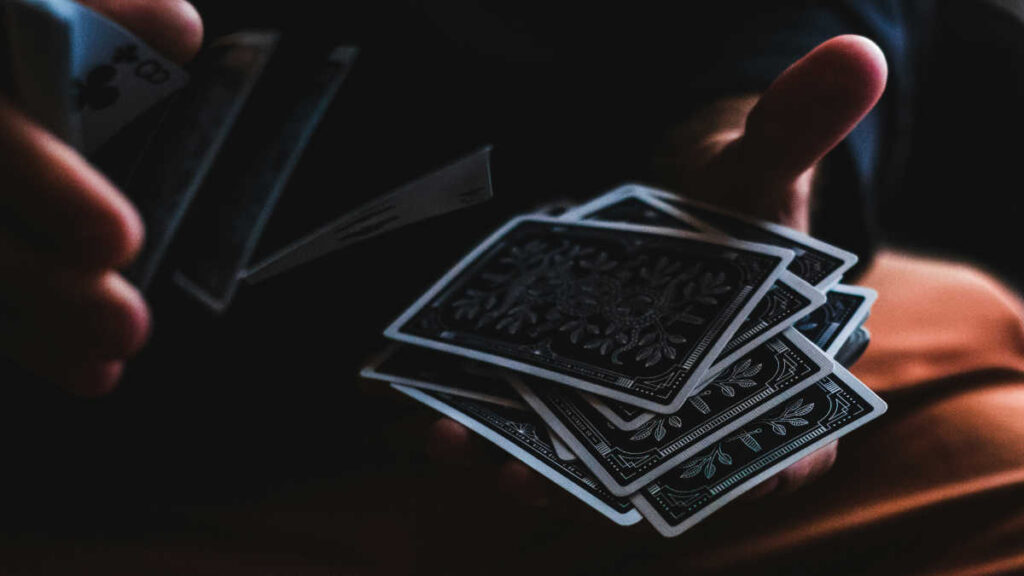
Short-deck poker is a variation that is also known as six-plus Hold’em and it is reshaping the way professional players think about the game. The difference between short-deck poker and other Hold’em games is that the deuces through fives have been removed from the deck.
It has certainly given the professional poker world a bit of a recalibration, as now poker pros have to rethink their strategies that they have often used for years of playing poker. Added to this, short-deck poker is a fast-paced game as there are far fewer cards in the deck.
The Old Rules of Poker No Longer Apply
The biggest shock for players who have never played short-deck poker before is how different the hands are compared to traditional poker played at the World Series of Poker (WSOP) and other poker events.
In most versions of the game, a flush is stronger than a full house, which is the opposite of other Hold’em games. Also, because there are fewer cards in the deck, players tend to get much stronger hands and draws appear more often too. Namely, players are much closer in strength on most flops.
This changes how people play both before and after the flop. Players can’t just wait for the best hands anymore. In high-profile poker tournaments, you often see players like Tom Dwan and Phil Ivey betting and raising with hands that would usually be played more carefully.
This is because they know their opponents are unlikely to have no hand at all, but also unlikely to have an unbeatable hand. As a result, well-timed play becomes more important than simply waiting for a very good hand.
Many of these ideas are broken down further as explained in casino.com, which looks at how the smaller deck changes hand combinations and forces players to rethink how and when they must apply pressure.
Changing Pre-Flop Thinking
The biggest change for many players happens at the beginning – namely, before the flop. In traditional Hold’em, playing tight and choosing hands carefully was normally the way most poker pros played.
However, short-deck poker works differently because there are less cards in play on the table. This means that there is a wider range of starting hands in play.
Daniel Negreanu, a well-known Canadian professional poker player, has spoken about the changes and says that sticking too closely to traditional starting rules when playing short-deck poker is not a good idea and can put players at a disadvantage.
Also, folding too often before the flop can allow other players to control and inevitably win the pot as there would be no resistance from other players.
Some good advice to beginners is that playing fewer hands doesn’t always reduce the risk. Short-deck works well for players who are willing to enter pots and make decisions after the flop instead of relying on old hand rankings.
Post Flop Decisions
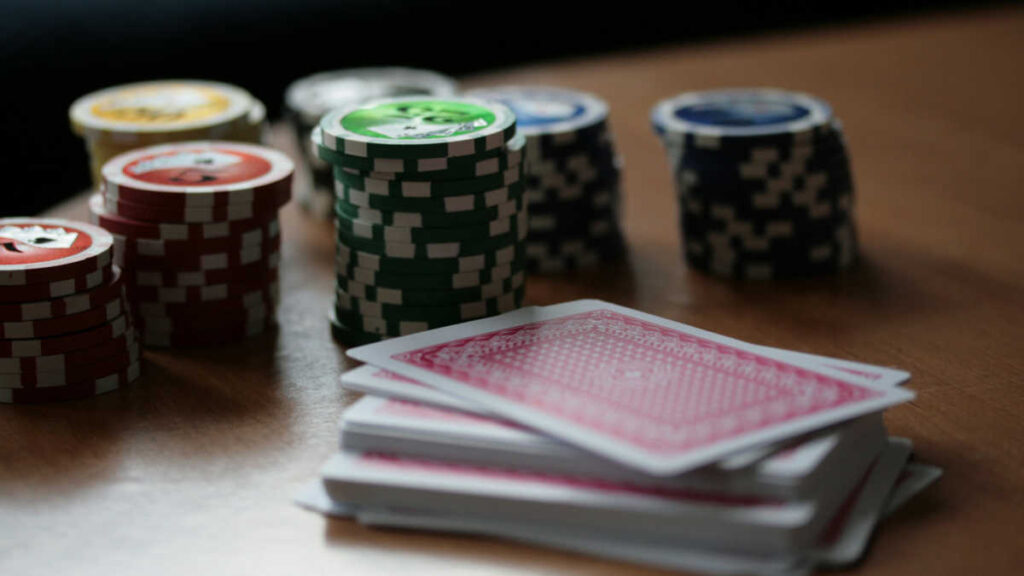
Once the flop has been dealt, short-deck poker can feel a bit unpredictable because many players may have similar hands. The best players normally will focus more on how their opponent is betting rather than the strength of their own poker hand.
In the big-money games, many professional poker players make the mistake of protecting their hands too much or avoiding bluffs. But over time, they learn to bet bigger and apply pressure on later streets, even spots that would feel risky in a traditional Hold’em game.
This is becoming the more modern way of playing poker. Players still rely on their instincts, except they have a better understanding of odds and ranges to make better long-term decisions. This is especially important in a fast-moving game like short-deck poker.
Learning the Hard Way
One of the reasons professional poker players like short-deck poker is that it quickly exposes the weaknesses of other players. Passive playing doesn’t work well, and players are therefore forced to stay focused during the game.
Likewise, if a player tends to fold strong-looking hands, these mistakes will become obvious as the game progresses. The bottom line is that the player will have no choice but to learn quickly before losing all their bankroll.
Is Short-Deck Poker Changing the Face of Poker in the Future?
While short-deck poker is becoming very popular among professional poker players, we don’t see it replacing the traditional game of Hold’em.
However, it is certainly having an impact, and many ideas that were developed in six-plus games are now having an influence on how high-stakes players approach the standard formats, especially when it comes to aggression and flexibility.