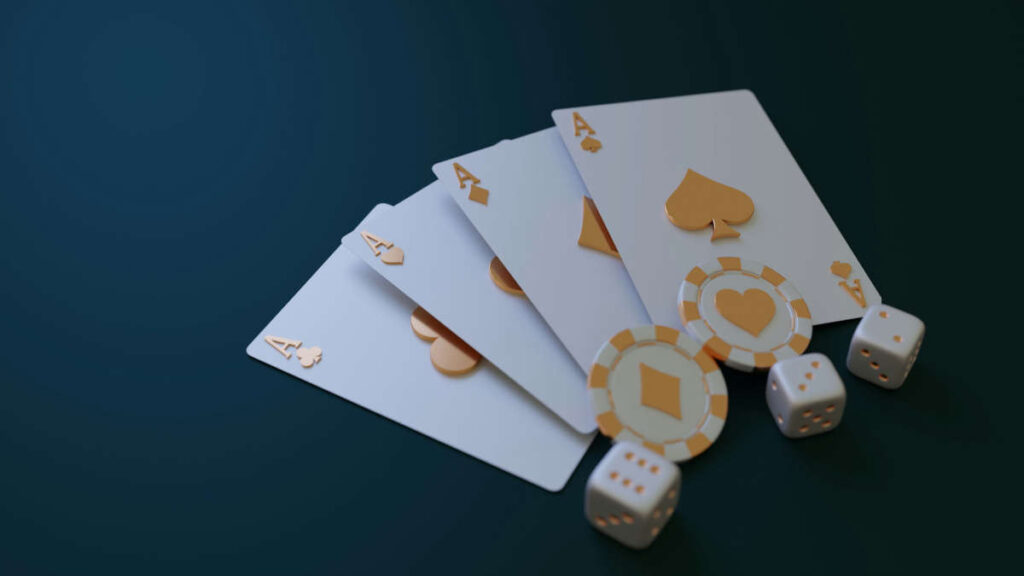
Poker has long been regarded as one of the most skillful and psychologically demanding casino games. In recent years, however, a new trend has offered valuable alternative ways for players to sharpen their abilities: social casino gaming.
These free-to-play platforms attract millions of users worldwide, providing accessible, low-pressure environments where players can develop their skills without risking real money. As social casino gaming becomes more sophisticated, the connections between these games and traditional poker have grown too strong to ignore.
Below, we explore the key lessons poker players can learn from social casino games and platforms such as Big Pirate and how these insights can improve performance at the actual felt.
Practicing Pressure-Free Decision-Making
One of the biggest challenges in poker is making decisions under pressure. Social casino games provide an environment where stakes are virtual, and mistakes carry no financial cost. This allows players to practice thought processes, experiment with strategies, and test different styles of play without the emotional strain associated with real-money games.
By removing risk, social casino environments help players build decision-making confidence, which carries over into real money poker.
Improving Discipline Through Limited Resources
Many social casino platforms use virtual chips and time-based bonuses, which give players a resource management challenge. Even though the chips aren’t real, they are limited, encouraging players to think carefully about how they use them. This builds discipline, patience, and an understanding of long-term planning.
Good poker players know that reckless chip spending or chasing losses leads to poor outcomes. The measured style required in social casino play reinforces the idea of sustainability over short-term swings.
Studying Opponent Behavior in Simulated Environments
While not identical to live poker tables, social casino games often feature multiplayer modes where players face a variety of opponent types.
These encounters can help poker players recognize patterns and behavioral trends. Observing how opponents react to potential wins, losses, and perceived pressure can teach valuable lessons about reading people.
Developing an instinct for recognizable patterns is hugely beneficial in real poker settings. The more players practice analyzing opponents, the sharper their real-money instincts become.
Mastering Emotional Regulation Through Repetition
Poker is a deeply emotional game. Even experienced players suffer from tilt, frustration, and overconfidence. Social casino games offer a safe space to confront similar emotional triggers through repeated play. Wins come easily; so do losses. The emotional spikes mimic aspects of real poker.
For poker players trying to strengthen their mental toughness, social gaming repetition helps reinforce a steady, composed mindset. Learning to detach emotionally from outcomes is one of the biggest advantages social casino gaming can provide.
Reinforcing the Value of Consistency and Routine
Many social casino games reward regular play through login bonuses, streak rewards, and daily challenges. This encourages consistent engagement, a habit that greatly benefits poker players, too. Regular practice is key to staying sharp, remembering key strategy patterns, and maintaining mental stamina.
Poker is a game of constant evolution, and those who engage frequently tend to develop stronger skills than those who play sporadically.
Conclusion
While social casino games and real-money poker are fundamentally different, the skills and habits developed in the social gaming world can be surprisingly transferable.
From improving decision-making and discipline to strengthening emotional control and routine, the free-to-play experience offers valuable training tools for anyone looking to refine their game.