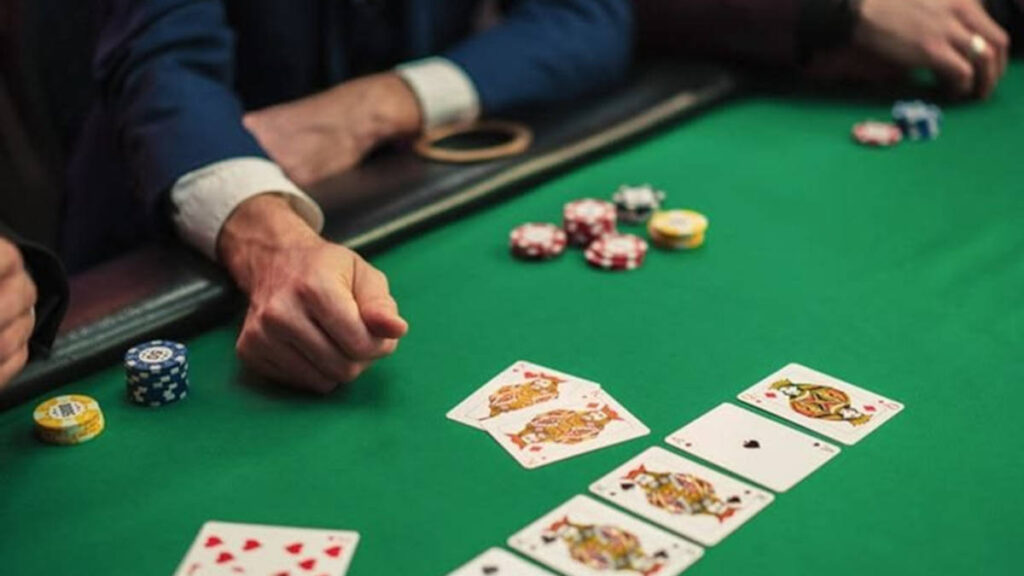
Imagine two players at the same table holding equally strong hands. One decides to fold, while the other raises. Both choices can be correct; the real difference comes from what each player notices about their surroundings.
In poker, situational awareness matters more than simply having strong cards. Your hand is only one part of the decision. Factors such as your position, opponent tendencies, stack sizes, table dynamics, and timing all influence the outcome. If you focus only on your cards, you miss critical information that shapes profitable decisions.
Fixed Systems vs. Situational Play
Some decision-based games rely on fixed systems where the correct move is predefined. In these environments, players follow established frameworks that reduce uncertainty. This is especially true in modern online blackjack play, where strategy charts guide decisions based on known variables and leave little room for interpretation.
Poker is different. There is no system that guarantees the right move because conditions are constantly changing. Opponents adjust their styles, table dynamics shift, and information is always incomplete. Players must rely on judgment rather than simply following a fixed plan.
This is the key difference between playing your cards and playing the situation. In games with fixed systems, success comes from consistently making the correct move. In poker, success comes from recognizing changes and adapting.
Players who focus only on their cards follow a predictable pattern, while those who read the situation can influence how a hand develops.
Hand Strength Is Where Beginners Start
Every poker player begins by learning hand rankings, understanding which hands beat others, and calculating odds. This foundation is necessary, but it is not enough.
Focusing only on hand strength treats poker like a static math problem. In reality, hand value shifts depending on context. For example, a pair of jacks may be strong in early position at a passive table but far less reliable against a tight raiser on the button.
More advanced strategy guides emphasize the shift from hand evaluation to range evaluation. Instead of asking what specific hand an opponent holds, experienced players consider the range of hands an opponent could have based on their actions. This shift in thinking fundamentally changes decision-making.
Situational Awareness Is Where the Edge Lives
Players who win consistently are those who can quickly process and apply relevant information. They notice changes in betting patterns, track how often opponents defend their blinds, and adjust based on trends over time rather than just isolated hands.
Position at the table is one of the most important strategic factors. Acting last in a betting round provides more information than acting first. This advantage is often more valuable than a slight edge in hand strength. For instance, playing the same hand from the button will typically generate more long-term profit than playing it from under the gun.
Table dynamics are just as important. Against tight players, aggression becomes more effective. Against loose players, patience and value betting tend to produce better results. Using the same strategy regardless of the table limits your ability to capitalize on profitable situations.
Reading the Room Before Reading Your Hand
Many experienced players observe the table before checking their cards. They identify who is aggressive, cautious, frustrated, or attentive. By the time they look at their hand, they already have a strategic framework based on those observations.
This habit is difficult to develop because instinct pushes players to check their cards first. However, doing so often leads to an overemphasis on hand strength rather than opportunity.
Players who prioritize observing the table tend to make stronger decisions. They recognize opportunities others overlook, avoid predictable mistakes, and adapt more quickly to changes in the game.
Timing Is the Hidden Variable
Knowing what move to make is only part of the equation. Knowing when to make that move is what separates consistent winners from the rest. The same action can be profitable in one moment and costly in another, depending on how the situation evolves.
Consider aggression: it is neither inherently good nor bad. Raising at the right moment can force opponents to fold stronger hands or help build a larger pot when you are ahead.
Raising at the wrong time, however, can reveal your strength or run into opponents who are unlikely to fold. Good timing can turn a standard move into a profitable one.
Players focused only on their cards tend to act predictably. Those who understand the situation wait for optimal moments, bluffing when opponents show weakness and extracting value when calls are more likely. Over time, strong timing gives players a clear and sustainable edge.
Playing the Game Within the Game
Ultimately, poker is about making strong decisions, not just playing the cards you are dealt. Cards influence short-term results, but decision-making determines long-term success.
Players who understand the situation, not just their hand, develop an advantage that compounds over time. This strategic mindset is what separates casual players from those who consistently perform at a higher level.