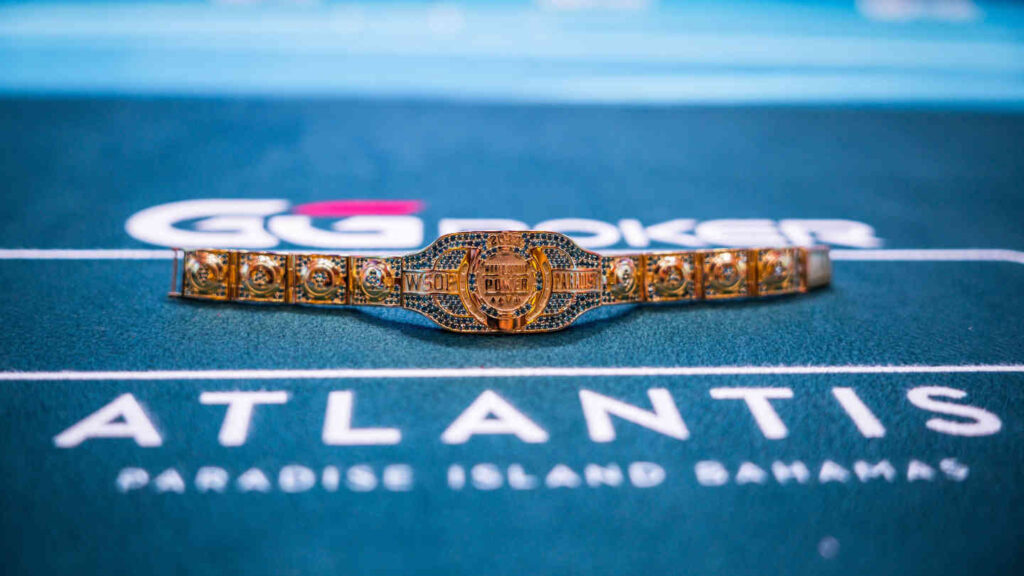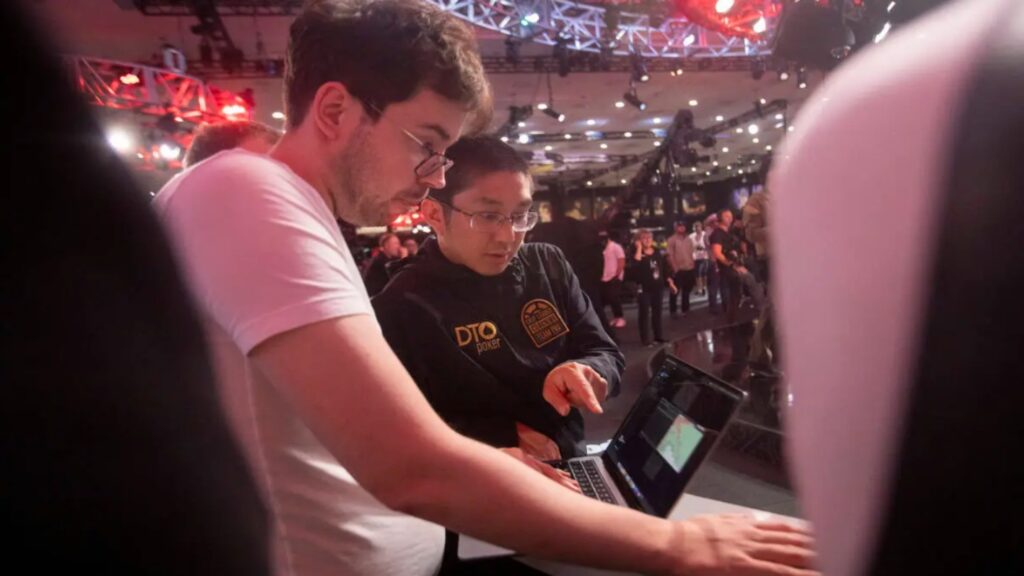
Images courtesy of WSOP.com
When the World Series of Poker (WSOP) announced its return to the world’s most popular sports network, ESPN, rumors of the next Poker Boom and the return of the glory days started circling.
Many of us who have been around poker long enough still remember the days when Chris Moneymaker won the Main Event, and the years that followed, when millions would tune in to watch the WSOP Main Event action.
Now, a couple of decades later, the WSOP returned to ESPN after years of relatively quiet CBS coverage, and the poker world had high hopes.
Yet, those hopes were shattered by the actual stats, which showed that even the WSOP Main Event Final Table coverage could not replicate the interest in poker that existed during the Poker Boom years.
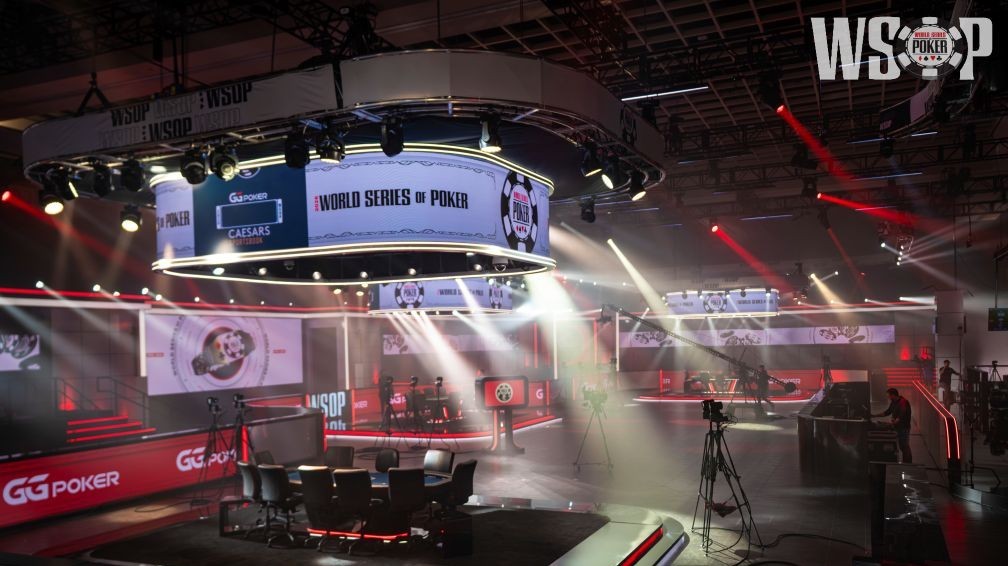
According to Lance Bradley, who provided the WSOP coverage over on ESPN.com, the official Main Event Final Table numbers painted a bleak picture.
Day 1 action of the Final Table, which aired on ESPN2 on August 3, did not crack the top 100 cable shows watched, which meant there was no official Nielsen report data to look at.
The numbers improved a bit for the latter days, as Day 2 attracted 451,000 viewers, and the final day saw 593,000 tune in to watch Lucas Jumalon win it all and become the next world champion.
These numbers fade in comparison to the 2,000,000 that tuned in to see Joe Cada win the Main Event in 2009 or the 1,900,000 that watched Peter Eastgate replicate the feat, begging the question: what exactly went wrong with the WSOP coverage in 2026?
Do People Even Watch TV Anymore?
Perhaps the biggest reason that the 2026 ESPN coverage numbers don’t match those produced in the early 2010s is simple. People have simply stopped watching traditional cable TV as much!
Looking at the sheer stats, it’s clear that cable TV subscriptions in the US have gone down significantly, by as much as 40%, with many households choosing subscriptions to services like Netflix or HBO instead of cable TV programming.
Anecdotally, we know that many in the younger generations would sooner be caught playing 72 from under the gun than watching a TV program they can’t fully control, which is why services like YouTube TV cater to their needs much better.
And yet, the WSOP coverage flopped compared to other cable TV shows as well. Day 1 action not cracking the top 100 for the day was quite disappointing, and perhaps indicative of a lack of interest in poker among the people who do still watch ESPN.
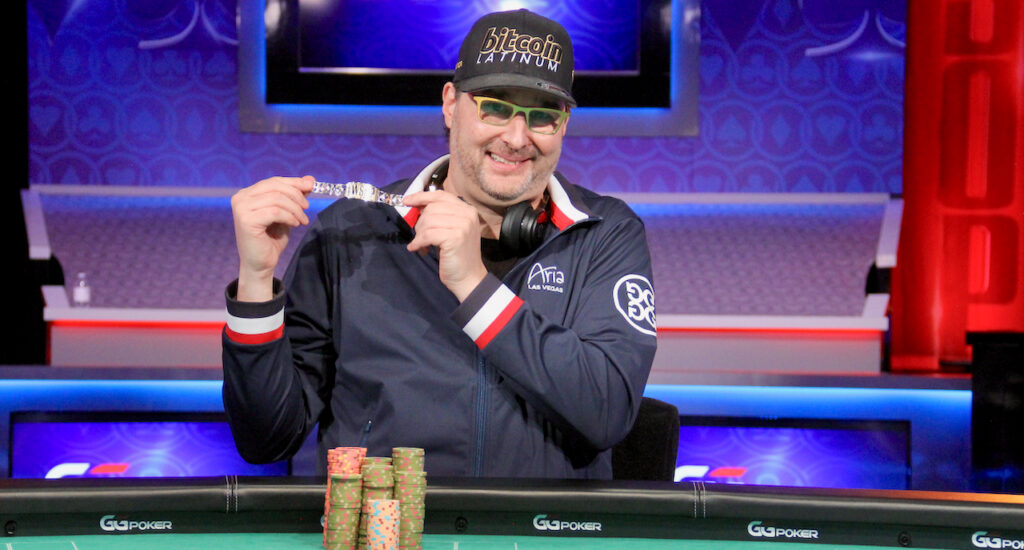
Things would have probably been a bit different if someone like Daniel Negreanu or Phil Hellmuth, who have some popularity among the mainstream viewers as well, were at the Final Table, but that was always unlikely to happen.
Instead, we were left with disappointing numbers that will have to suffice for the time being, as we contemplate whether live poker is in trouble, or something else is amiss.
Are WSOP and Live Poker in Trouble?
While the ESPN numbers may be lower than we had hoped for, and the entire WSOP coverage may need some tuning, there is plenty of good news for poker players as well.
For one, the overall WSOP numbers are great, with both the Main Event and other tournaments at the Series shattering records in recent years.
What’s even more, the WSOP isn’t the only live poker event that’s been thriving, as emerging poker tours like the Triton Poker Series, Onyx Super High Roller Series, and King Poker Cup all adding to poker’s global popularity.
Low-to-mid buy-in tournaments in Europe, Latin America, and Asia have been attracting thousands of players, while the daily cash games in places like Texas, California, and Florida are all thriving.
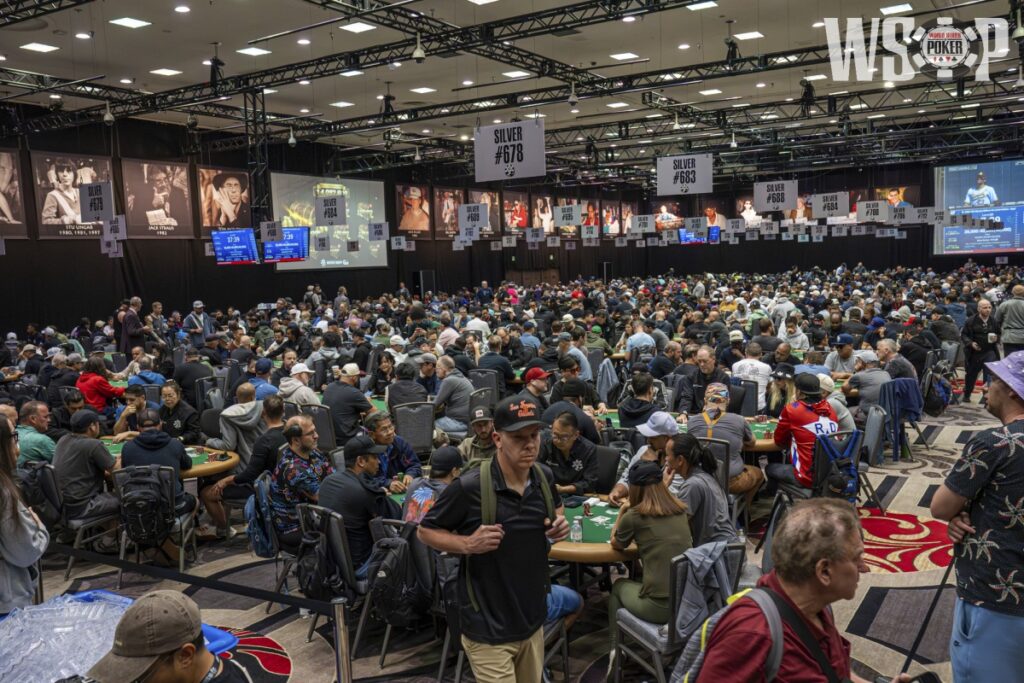
In fact, the post-COVID era has been nothing but a resounding success for live poker worldwide, which is another reason the WSOP coverage numbers came as a bit of a shock.
All said and done, it seems more likely that the dying nature of cable TV as such, combined with the changing viewing habits among the poker fans, who are being dealt a lot of poker content each week, are to “blame” for WSOP’s lack of success on ESPN.
The good news is that these numbers aren’t actually a cause for alarm, for as long as the crowds in Paris and Horseshoe stay at record levels each year, live poker grinders can rest easy.