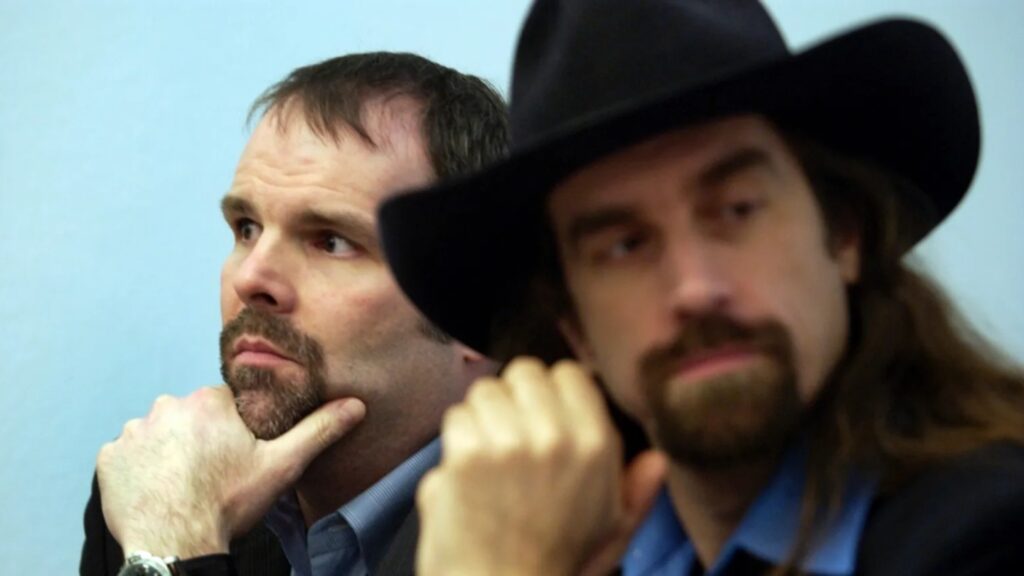
In 2011, poker was at the height of its popularity, with hundreds of poker players sponsored to play the game by major online poker sites, and live poker events around the world getting record attendance numbers.
Following Chris Monemaker’s historic WSOP win, online poker boomed in the USA and abroad, and the World Series itself became a massive affair, with pros and recreational players from all parts of the world coming to Vegas each summer to try their luck.
Then, all of a sudden, everything stopped overnight. On April 15, 2011, the US government seized the domain names and bank accounts of major online poker operators, effectively putting them out of business.
This event, known today as Black Friday, reshaped the poker landscape forever and continues to have a profound impact on the game even today, especially within the USA.
This is the story of Black Friday and the impacts it had on the growth of poker and the popularity of the game among mainstream viewers and fans.
US Online Poker Gets Shut Down
For years, online poker operators like Full Tilt Poker, PokerStars, and Absolute Poker had been offering their services to American players, in violation of the Unlawful Internet Gambling Enforcement Act (UIGEA).
The law, first introduced in 2006, came into full effect in 2010, and explicitly prohibited companies from accepting real money wagers via the internet.
To make things even worse, these companies all held offices within the US and seemingly operated as if they were not breaking any laws.
It all came crashing down on Friday, April 15, 2011, when federal agents raided the operators’ offices and seized their domain names.
Poker players from the US and abroad woke up to see only an ominous message that started with “This domain name has been seized by the F.B.I.”
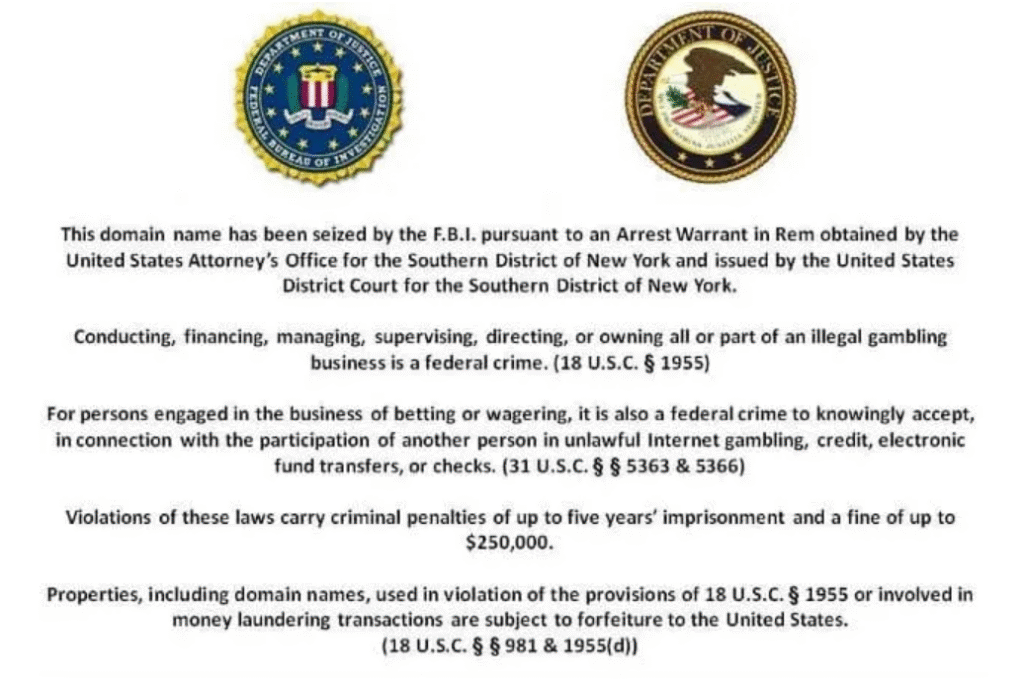
A federal indictment was soon revealed, involving 11 individuals from PokerStars, Full Tilt Poker, and Absolute Poker, including the likes of Isai Scheinberg, Raymond Bitar, and Scott Tom.
Among the players, the likes of Chris Ferguson and Howard Lederer, who were professional poker players and co-owners of Full Tilt Poker, were called out as directly responsible for the chaos.
Regardless of who was to blame, hundreds of millions of player funds were now in limbo, and American poker players felt like their careers were suddenly over.
The Full Tilt Poker Scandal Breaks
When Black Friday first happened, it seemed like the US government was going after the operators they deemed illegal, but that the player funds would eventually get paid.
Both Full Tilt Poker and PokerStars, two of the biggest companies hit by the seizures, reached an agreement with the Department of Justice to regain possession of their domains to facilitate such payouts.
While PokerStars was fully dedicated to making this happen, things were quite a bit more complicated at Full Tilt Poker.
The reason was simple: Full Tilt Poker didn’t have the money to pay its players, as the vast majority of player deposits were simply gone.
Starting in September 2011, information came out about the wrongdoings of the Full Tilt Poker management at the highest level.
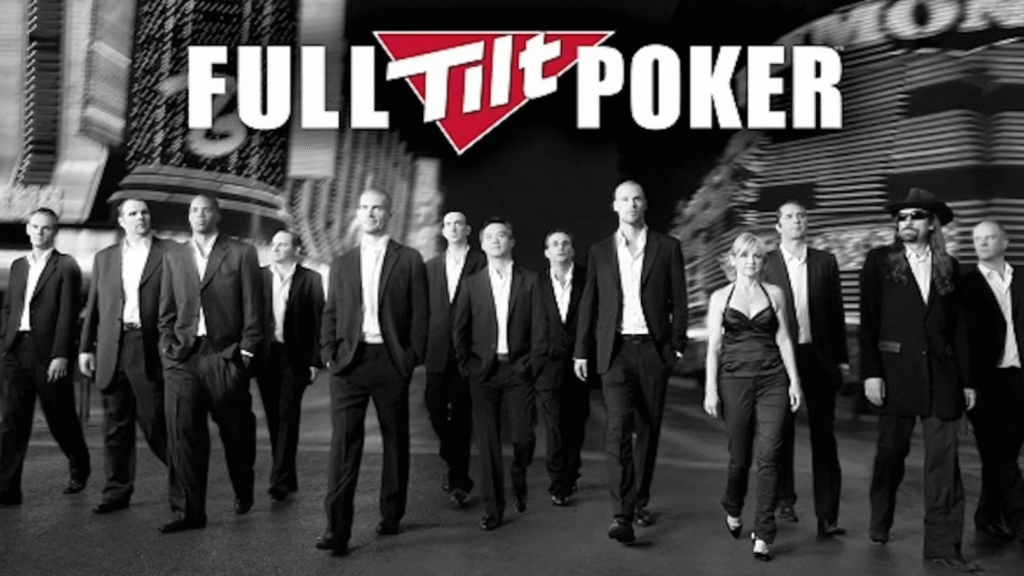
According to multiple reports, FTP executives were paying themselves and their sponsored players millions in salaries and bonuses directly from player deposits, with no segregation of funds to speak of.
What’s even more, the operator had been accepting deposits from American players for months, but was unable to process many of the payments due to credit card processing issues.
In total, Full Tilt Poker had only $60,000,000 in its accounts, but owed over $390,000,000 to the players in total.
Thousands of Full Tilt Players were shellshocked to find out that their online poker balances were now in jeopardy, with many selling their outstanding bankrolls for cents on the dollar to various speculators.
The Poker World In Chaos
With FTP balances now in limbo, and all major poker sites closed for American players, the industry was suffering on a major scale.
Most live poker tournaments in the US were sponsored by either FTP or PokerStars, and hundreds of poker players, including the likes of Phil Ivey, Tom Dwan, Patrik Antonius, Mike Mattusow, and many others, had lost their sponsorships.
Overnight, hundreds of millions of dollars were wiped out of the poker economy, and many professional poker players started seeking alternative careers, believing poker to be gone forever.
Some, who still believed poker was the game they were meant to play for a living, moved to Canada, Europe, or South America in pursuit of online or live games.
Yet, the years that followed Black Friday were some of the worst poker, especially online, ever experienced.
Poker Proves More Resilient than Previously Believed
Black Friday was a truly apocalyptic event for the poker industry, and at the time, many believed that the golden age of poker was truly behind us.
With so many of the major sponsorships gone, and the game forced to leave the mainstream on so many levels, it seemed like the game’s popularity would simply dwindle.
Yet, despite Black Friday and US online poker being halted for years, the poker world recovered relatively fast.
Online poker games continued immediately for Rest of the World Players, with PokerStars and other major operators never fully seizing their operations.
Live poker thrived in the US, with many online poker players finding backing to play live games, which had suddenly become much softer, with many recreational poker players looking for their entertainment in card rooms across the country.
Despite all the unfortunate events, poker even continued to draw in new generations of players, who continued to be fascinated by the game’s apparent simplicity and underlying complexity.
Modern Poker Reaches New Heights
In 2019, the worldwide poker industry was stagnant, with many of the live events getting similar numbers year after year, and online poker was believed to be “dead” by many critics.
Then, the COVID-19 pandemic impacted the entire world, shutting down most businesses and even entire countries worldwide.
Shut in their homes, thousands turned to online poker as a new pastime, and the game was resurgent once more. Online poker sites saw an expected rise in traffic, but what ensued was even more fascinating.
As poker rooms slowly reopened in 2021, the number of players who were willing to “risk” contracting COVID was staggering.
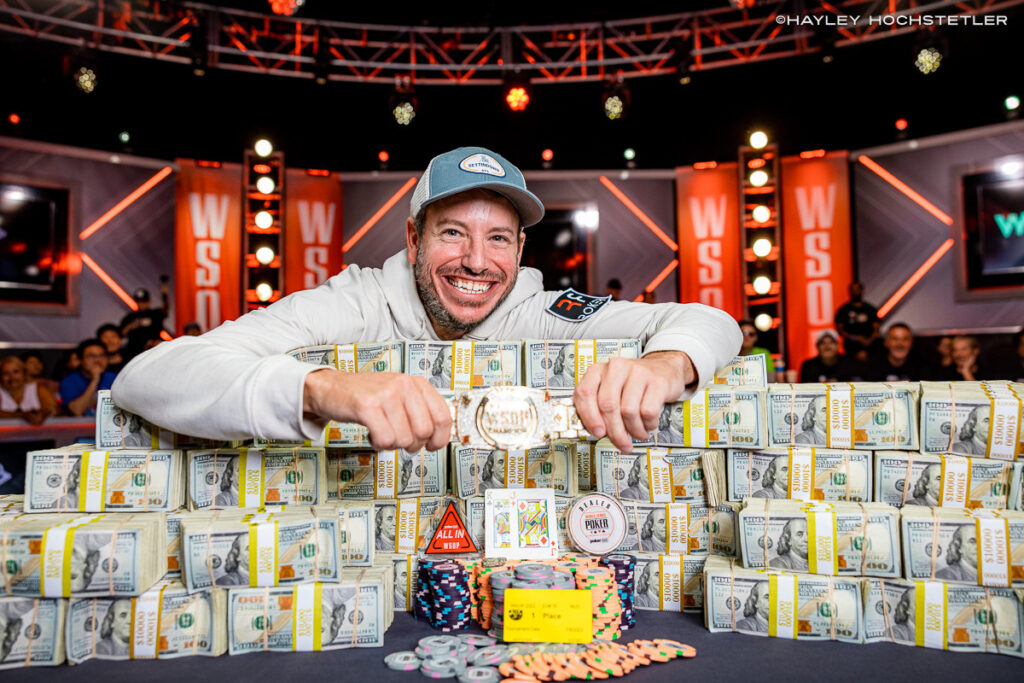
In fact, it only took two more years before the 2023 World Series of Poker Main Event would be the first-ever to break 10,000 entries, while events across other major poker tours like the WTP and EPT continued to attract thousands.
New online poker operators like GGPoker, WPT Global, and CoinPoker created new opportunities for players from around the world, while regulated online poker markets in the US continued to expand.
New Jersey, Michigan, Pennsylvania, and Nevada all joined an interstate gaming compact, allowing operators to merge player pools across state borders, creating a semblance of what an international poker market might look like.
While poker would still benefit greatly from boundaries being removed and operators being left to cater to players around the world, the game has never lost its allure, even in the midst of all the regulatory and legal troubles.
In 2026, a greater number of players than ever before can play poker legally at an online poker site licensed in their local jurisdiction, while live poker continues to thrive, and internet poker shows like Hustler Casino Live, Poker at the Lodge, and various PokerGO-sponsored events continue to bring new players into the game.