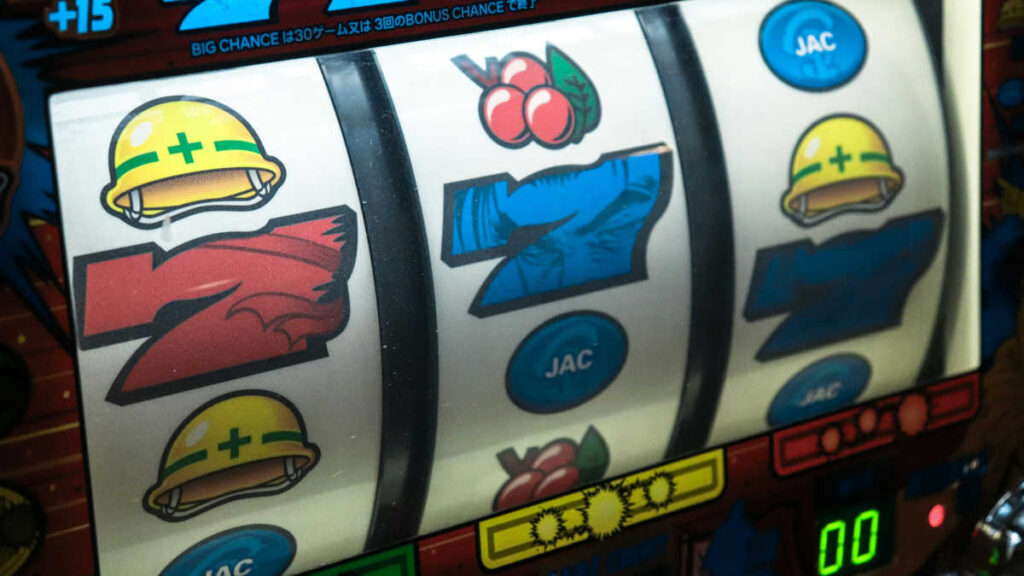
Few symbols carry as much weight in the world of casino gaming as the triple seven. Walk into any casino floor, scroll through any online gaming lobby, or even glance at pop culture references to gambling, and the number 777 appears with striking regularity.
But the significance of this number extends far beyond spinning reels. Its roots stretch into ancient numerology, religious traditions, and cultural beliefs about fortune that span thousands of years.
The Spiritual and Cultural Roots of the Number Seven
Long before slot machines existed, the number seven held profound significance across civilizations. Today, this psychological legacy remains a staple of the iGaming world, where digital game libraries like those found at VVegas rely heavily on lucky sevens across classic three-reel video slots and interactive fruit-themed titles.
Ancient cultures observed seven visible celestial bodies in the night sky, which influenced everything from the naming of weekdays to the structure of calendars. In many belief systems, seven represents completeness, divine order, and spiritual perfection.
Seven in Religion and Mythology
In Christianity, God created the world in six days and rested on the seventh, making the seventh day a symbol of divine completion. The Bible references the number seven hundreds of times, from the seven seals in Revelation to the seven virtues.
In Islam, pilgrims walk around the Kaaba seven times during Hajj. Hindu tradition recognizes seven chakras, and Buddhism speaks of seven steps taken by Buddha at birth.
Seven in Everyday Superstition
Beyond organized religion, everyday superstitions reinforced the number’s mystical aura. There are seven colors in a rainbow, seven notes in a musical scale, and the widespread belief that breaking a mirror brings seven years of bad luck.
These cultural touchpoints created a deep psychological association between the number seven and forces beyond human control, whether fortunate or otherwise.
How 777 Found Its Way Onto Slot Reels?
The 777 slot icon traces back to Charles Fey’s Liberty Bell machine, invented in San Francisco in 1895. Early slots featured simple symbols—horseshoes, stars, bells, and card suits—without the number seven, though its cultural significance made it a natural addition.
By the early 20th century, manufacturers focused on symbols that felt meaningful, and single red sevens appeared on reels in the 1930s and 1940s. Aligning three sevens paid the top prize, leveraging players’ association of seven with luck and perfection. Casinos cemented 777 as the ultimate “big win” symbol by consistently awarding the largest payouts.
Why 777 Endures in Modern Gaming?
Despite decades of innovation in game design, 777 continues to stand out as a dominant, instantly recognizable motif across slots and casino-style games. Its appeal isn’t accidental—several factors help explain this remarkable staying power, from deep-rooted cultural associations with luck to strong visual branding and long-standing player expectations.
| Factor | How It Sustains 777’s Popularity? |
| Nostalgia | Players associate 777 with classic casino experiences |
| Universal recognition | The symbol transcends language and cultural barriers |
| Simplicity | Three identical numbers are instantly understood |
| Psychological anchoring | Decades of use have hardwired 777 as “jackpot” |
| Design versatility | The symbol adapts to retro, modern, and themed aesthetics |
A new player immediately understands that landing three sevens is the goal, reducing the learning curve and increasing engagement.
This balance of traditional familiarity and high entertainment value isn’t limited to slot machines; it is also evident in interactive roulette V Vegas options, where traditional wheel physics and classic betting structures blend with modern digital interfaces to deliver an instantly recognizable and engaging gameplay experience.
The Psychology Behind Lucky Number Associations
Human brains are wired to find patterns and assign meaning. This cognitive tendency, known as apophenia, drives much of our relationship with lucky numbers. When a player sees 777, a cascade of positive associations fires — completeness, divine favor, past jackpot stories, cultural reinforcement.
Key psychological principles at work include:
- Confirmation bias — players remember wins involving sevens more vividly than losses.
- Cultural conditioning — a lifetime of exposure links seven to positive outcomes.
- The gambler’s mystique — believing in lucky symbols enhances the emotional thrill of play.
- Pattern recognition — triple repetition feels orderly and satisfying to the human brain.
These underlying psychological mechanisms help ensure that 777 remains emotionally meaningful and powerfully resonant, even when a player doesn’t consciously buy into the idea of luck. Whether they’re skeptical or superstitious, the symbol can still trigger familiar excitement, anticipation, and positive associations.
More Than Just Three Numbers on a Reel
The triple seven is far more than a game mechanic. It is a cultural artifact that bridges ancient mysticism with modern entertainment, a symbol so deeply embedded in human consciousness that its power needs no explanation.
From temples to casino floors, seven has always represented something extraordinary. Its dominance in slot gaming is not an accident but a reflection of humanity’s enduring fascination with fortune, meaning, and the hope that the next spin might change everything.