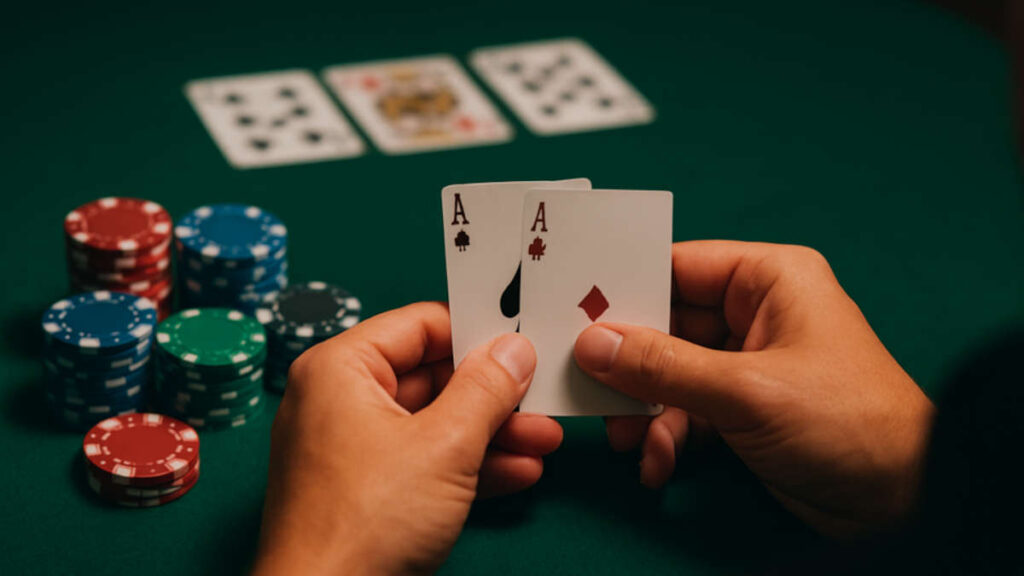
Poker isn’t just about cards, chips, or chance. Instead, it’s packed with unique characters, shifting times, and constant change—where a few standout players built the scene we see now.
Back in the hazy high-pressure clubs of the ’70s or right up to current worldwide events and apps such as Tongits Go, these pioneers opened doors for today’s grinders.
Looking back at what they achieved and how they thought doesn’t only honor the past—it also gives useful tips, no matter if you’re battling in person, clicking online, or dealing hands around a kitchen table.
Doyle Brunson—The Godfather of Poker
Doyle Brunson—nicknamed “Texas Dolly”—is a legend in poker. Winning ten WSOP bracelets, he took home the Main Event back-to-back in ’76 and ’77.
Not only did he break the $1 million mark in tourney earnings, but he hit that peak way before poker blew up. While many know him for his tournament achievements, it’s his skill in cash games, varied formats, and tough high-stakes lineups that set him apart. Few players earned such fear—and respect—over decades at the table.
Brunson isn’t just known for playing cards—he wrote Super/System, a game-changing guide that shaped how people play poker now.
Instead of just listing rules, it broke down how to select hands, think ahead, and spot betting habits nobody talked about before. Even these days, plenty of players base their moves on ideas from that book.
Lessons from Brunson:
- Being flexible counts: Doing well in different styles helps you last longer. Yet hitting it big in various forms isn’t just useful; it’s necessary if you want to stick around.
- Staying power along with commitment: Working nonstop for years shows what sticking around can do.
- Check out the game: Digging into tactics, just like Brunson, really helps you get better at playing. While some skip this step, it sharpens your moves over time. Since every detail counts, taking notes can make a difference later on. Though it feels slow at first, steady study builds real skill bit by bit.
Stu Ungar—The Kid with Genius and Tragedy
Stu Ungar had raw talent and was famous for sharp instincts and bold moves. Stu won the WSOP Main Event in ’80, then again in ’81, and much later in ’97. His total WSOP bracelet count reached five.
Ungar did not just excel in tournaments; he crushed big-money cash games, too. His knack for figuring out rivals made others scratch their heads.
Famous for crushing it at cards, Ungar had a chaotic life off the felt. Trouble with substances plus reckless moves derailed his run, proving that brilliance doesn’t shield you from fallout.
Lessons from Ungar:
- Raw skill shakes things up: Fearless, natural moves often bring wild success.
- Staying focused counts: Every action at the poker table tells you something about your opponents.
- Mental toughness matters: Keeping your wits about you while sizing up rivals can make or break you when pressure hits.
Johnny Chan—The Orient Express of Poker
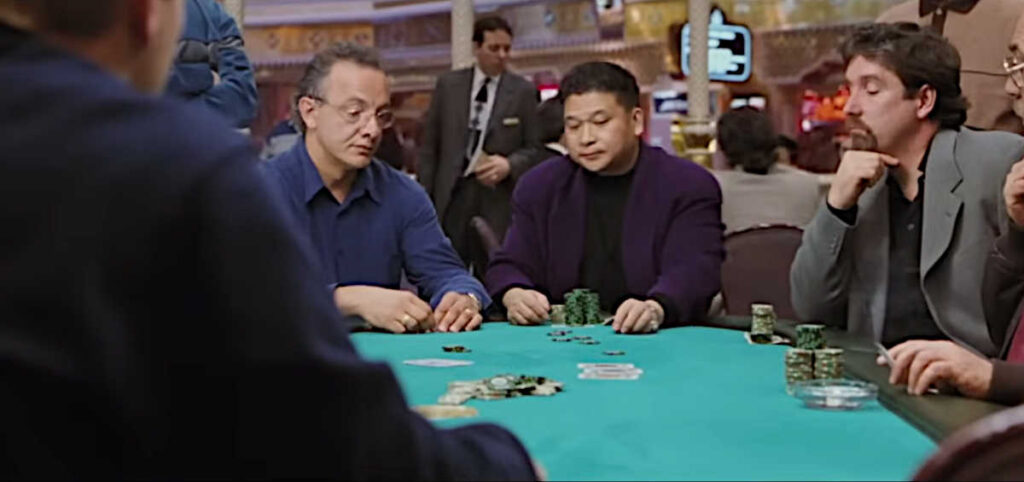
Johnny Chan stands out in poker lore, largely thanks to winning the WSOP Main Event two years straight, in ’87 and then again in ’88. He also has 10 WSOP bracelets to his name. That kind of steady skill and quiet focus show why he’s perceived as one of the best tournament players.
Chan’s path shows how patience matters just as much as making good moves. It proves poker isn’t just charging forward—it’s watching closely, picking up on cues, and then acting at the right moment.
More than wins alone, he helped spread poker into pop culture, reaching new fans by showing up in movies such as Rounders while boosting the game’s appeal across Asian communities.
Lessons from Chan:
- Patience plus calmness pays off: Solid choices usually beat flashy moves.
- Consistency is key: Long-term success in poker requires a proper grinder’s mentality.
- Staying flexible matters: Adapting to changes helps you stay on top.
Phil Ivey—The Modern All-Rounder
Phil Ivey is seen by many as the total package when it comes to the game of poker. He’s been winning for decades in all types of formats and game variations, becoming the player to look up to. From tournaments to cash games of the highest stakes variety, Ivey has played it all and came out ahead.
Ivey’s journey shows how learning different game types, from Hold’em to different types of mixed formats, builds sharper skills and develops the ability to think about the game on a deeper level.
What stands out is his knack for spotting how rivals play, using that to nail tough calls when the stakes are high. Quiet at the table, never tipping off his hand, he stays cool in chaos; this quiet strength proves mindset matters just as much as understanding numbers and strategy.
Lessons from Ivey:
- Get good at different poker formats: This opens more paths and boosts flexibility.
- Shifting gears is important: You need to be able to change and adapt your strategy at the table quickly.
- Mental strength matters a lot: Staying calm and being hard to read works is just as important as knowing what a technically correct play is in any given spot.
Other Influential Legends
Though Brunson, Ungar, Chan, and Ivey grab most attention, plenty of lesser-known names built the game we see today.
Take Chip Reese and Johnny Moss. These guys, who won old-school WSOP titles, set core tactics while trying out bold new approaches that shifted how people played.
Players like Reese and Moss showed winning isn’t just about cards; it’s mixing sharp decision-making with reading your opponents and staying calm and collected under pressure.
Looking into these early players shows why it’s key to watch closely and pick up skills while honoring poker’s past. Today’s moves often come from what those icons figured out: things like handling money wisely, reading hands, and using opponents’ mistakes against them.
Conclusion
The great poker names didn’t rise by luck. Their paths mixed skill with flexibility and steady habits while honoring the game—qualities that still matter today, though poker keeps shifting.
When you’re at your first tourney, grinding online, or just having fun at home, tales from Doyle Brunson, Stu Ungar, Johnny Chan, Phil Ivey, and others light the way.
Look into how they played, see what worked—and what didn’t—then use those lessons to sharpen your play while staying tough under pressure; slowly, down the line, you might carve out a name for yourself in the poker scene.