Las Vegas has been home to many of the world’s best poker professionals for decades, and most of them have made a living from playing wealthy recreational players who enjoy the sport of taking on the pros at their own game.
One of the most famous recreational players who dared take on the pros was Andy Beal, a wealthy banker and real estate investor who had earned billions over just a few decades.
Beal visited Las Vegas on many occasions, but around 2005 and 2006 made a series of trips where he challenged the best pros to a series of heads up matches.
The players could not afford the stakes Andy wanted to play, so they pooled their money together and formed what became famously known as “the corporation”.
Beal’s matches against the corporation became a thing of poker legends, and this is the story of how Andy Beal nearly bankrupted the group and the lessons they and other poker pros learned from it.
How Andy Beal Challenged the Pros
Beal’s first introduction to the world of high-stakes poker came in 2001, when he made a trip to Las Vegas and played at the Bellagio poker room.
Andy loved the game, but most of the public games that were offered were too small for him, so he decided he wanted to up the stakes.
It was hard to find players who would play for enough money to keep the wealthy businessman interested, as most recreational players would never consider playing for millions of dollars.
Instead, he opted to challenge the one group that could perhaps afford to play him, and was willing to take the risk, the poker pros.
The likes of Doyle Brunson, Ted Forrest, Howard Lederer, Chip Reese, and Phil Ivey were the dominant figures in the Vegas poker circles at the time, but in truth, none of them had the bankroll to play Andy for the stakes he wanted to play.
The pros saw the opportunity to play an inexperienced player like Andy heads up as a great spot, so they decided to pool their money together, and thus the corporation was founded.
The Corporation Takes on Andy Beal
Once the corporation was founded and the players had the bankroll to play, Andy agreed he would play any of them at stakes as high as $20k/$40k. The game in question was Limit Hold’em, and the games were some of the highest anyone had played to date.
Ted Forrest and Howard Lederer were among the first players to take on Beal, and the two of them beat him for nearly $4 million on their first encounter.
Beal was not discouraged by this early defeat, and instead went back to Texas and practiced every facet of the game, from playing the cards to regulating his tells and timing.
His next match against the corporation came in 2004, when he took on Chau Giang, with stakes at $50k/$100k, where Beal was able to win about a million.
The very next day, however, Lederer won about $6 million off the billionaire, and things seemed to be going very well for the corporation.
Andy wired a further $15 million to Bellagio and was adamant about playing any representatives of the corporation they could bring.
Andy’s Fortunes Turn on a Daily Basis
May 15, 2004, was one of the worst days for poker professionals in the history of the game. That day, four members of the corporation took on Andy Beal and ended up losing over $11 million in a single day.
The worst beating was suffered by Chip Reese, who was widely considered to be one of the best cash game players of all time.
Chip ran poorly and perhaps made some ego-driven decisions in the process, which led to him losing $8 million in a span of just five hours.
The same day, Hamid Dastmalchi, Gus Hansen, and Jen Harman all played against the billionaire, each losing their session.
When all was said and done for the day, the pros had lost $11.7 million, and the pros were on the ropes. To their fortune, Todd Brunson and Howard Lederer were able to turn things around later in the month, beating Andy for about $14 million in two separate sessions.
Andy Nearly Bankrupts the Corporation
The biggest clash between Andy Beal and the corporation came during the early days of online poker, in 2006, when Andy was once again in town and interested in playing $50k/$100k against the pros once more.
In February 2006, Andy and the corporation each put up $10 million of their cash, with 20 pros pooling the money together for the match.
According to Berry Greenstein, Beal was able to win the entire $10 million bankroll off the pros in a span of just two days, with the likes of Brunson, Harman, and Lederer all losing to the businessman this time around.
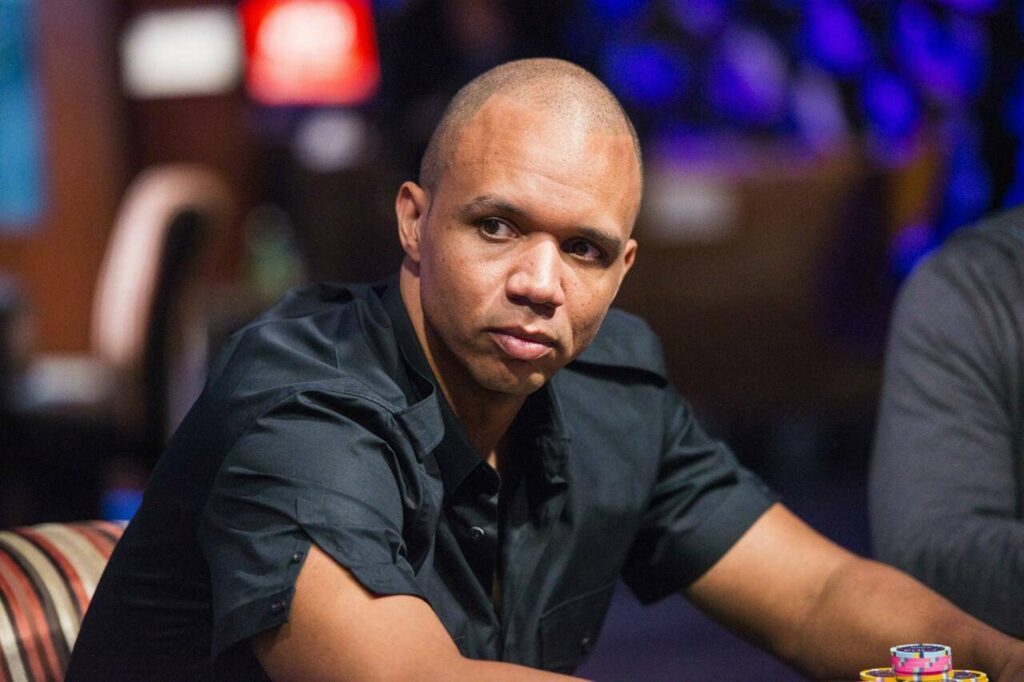
Just as the pros were nearly on their knees, none other than Phil Ivey stepped up to save the day. A young star of the game, Ivey was eager to put his aggressive playing style to use and show off his skills on the biggest stage.
In a span of three sessions that started with stakes at $30k/$60k, Ivey won $16.5 million from Beal, recovered all the losses the pros incurred, and won a few extra million on top.
After this match, Beal reportedly swore he would never play the pros for those kinds of stakes again, as he had apparently learned his lesson about playing the best players in the world.
A Big Lesson for the Poker Pros
The 2006 match between the corporation and Andy Beal was a major teachable moment for the poker pros, not just the ones involved in the match, but all around.
The pros agreed to play Beal for exceptionally high-stakes, which none of them could afford, but believed their edge was too big to fail.
Luckily for them, Ivey’s match went their way, but the group was a single unlucky session from busting their bankroll and having no funds left to play with.
While he eventually lost the match, Beal gave the group a major lesson in bankroll management, as he demonstrated that even an average player could do well against the best in the business and win millions when cards go his way.
The lesson served as a great one for the younger generations of players, who have generally developed a more careful approach to bankroll management and often refuse to play in games beyond their means, even when the opportunity is seemingly too good to pass up.
–