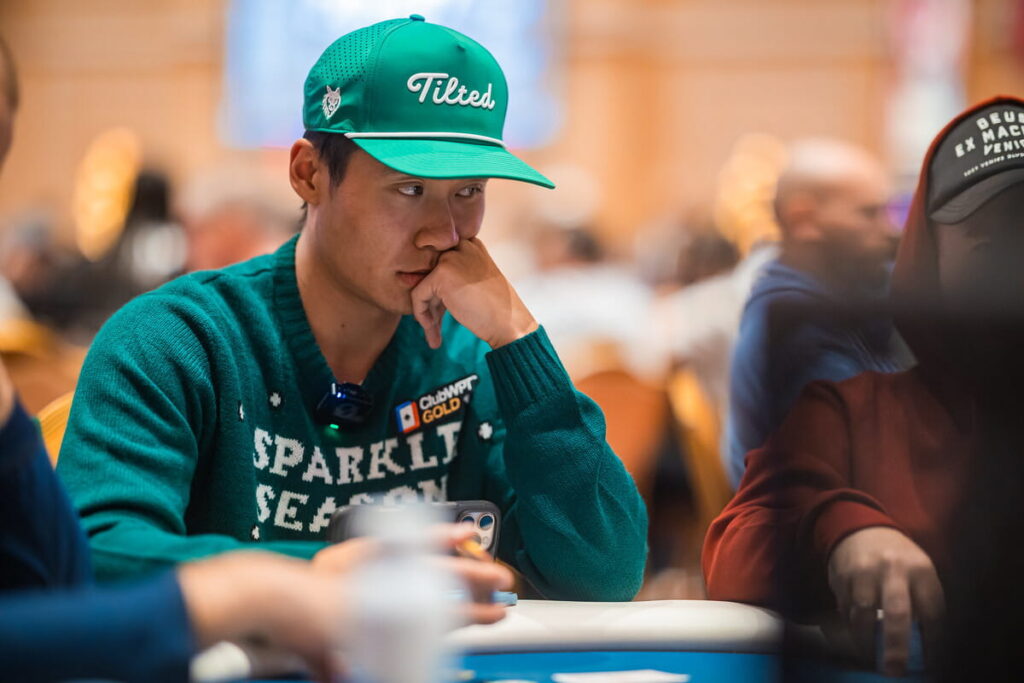
Image source: WPT
Few poker players have lived through the highs and lows of the game as publicly as Ethan “Rampage” Yau.
From taking fearless shots in high-stakes games to enduring brutal downswings, he has shown what modern poker really looks like at the highest levels.
Now joining the PokerCoaching team, Rampage is bringing those hard-earned lessons to players looking to improve. In this interview with Pokerati, he shares what high-stakes poker is really like behind the scenes and what it takes to win in 2026.
Built on Taking Shots
Rampage has built his reputation on being willing to step into bigger games than most players would ever consider.
“Throughout my entire poker career, I’ve always been ‘shot taking’… I’ve been quite aggressive and intentionally risk-on with my bankroll management, just with a few extra zeros attached to each result.”
From playing $300–$500 buy-ins with a $3,000 net worth to battling in some of the biggest games in the world, that mindset has remained consistent.
“I’ve had a lot of experience putting myself in uncomfortable situations and seeing how I respond to stress, adversity, and irresponsible financial swings… As stressful as the swings may be, I believe in challenging myself to new thresholds to see what can be possible.”
That same approach has also led to one of the toughest stretches of his career.
“I’ve lost $1M straight…”
He says he “went through the stages of grief — thinking it was just a bad run, blaming others, and eventually taking accountability.”
The downswing forced a deeper understanding of how unforgiving poker can be.
“It taught me how small leaks can compound into bigger mistakes… and just how complex the game really is, especially in deep-stacked cash games.”
Beyond the results, high-stakes poker comes with constant pressure, both at the table and away from it.
The Reality Behind High-Stakes Poker

From the outside, high-stakes poker often looks glamorous. The reality is very different.
“It’s honestly stressful and taxing — I wouldn’t recommend it to anyone who isn’t properly bankrolled,” he says. “You need a huge amount of capital just to sit in the game… and there’s a lot happening behind the scenes just to be ready to play.”
Beyond the swings themselves, the logistics of playing high stakes add another layer of pressure.
“You constantly need large amounts of money liquid just to buy into a game… moving funds between crypto, casinos, and different formats — there’s a lot going on before you even sit down.”
In the biggest games, success comes down to execution, not emotion. “You have to risk it to win big,” Rampage says, “but the only way to succeed is to let go of the value of money and focus on making the right decisions.”
That includes being willing to take uncomfortable lines.
“Bluffing off tens or hundreds of thousands of dollars is emotionally scary, but that’s where confidence comes in… being willing to pull the trigger.”
Confidence, he emphasizes, comes from preparation and experience, not instinct alone.
What It Takes to Win in Modern Games Today
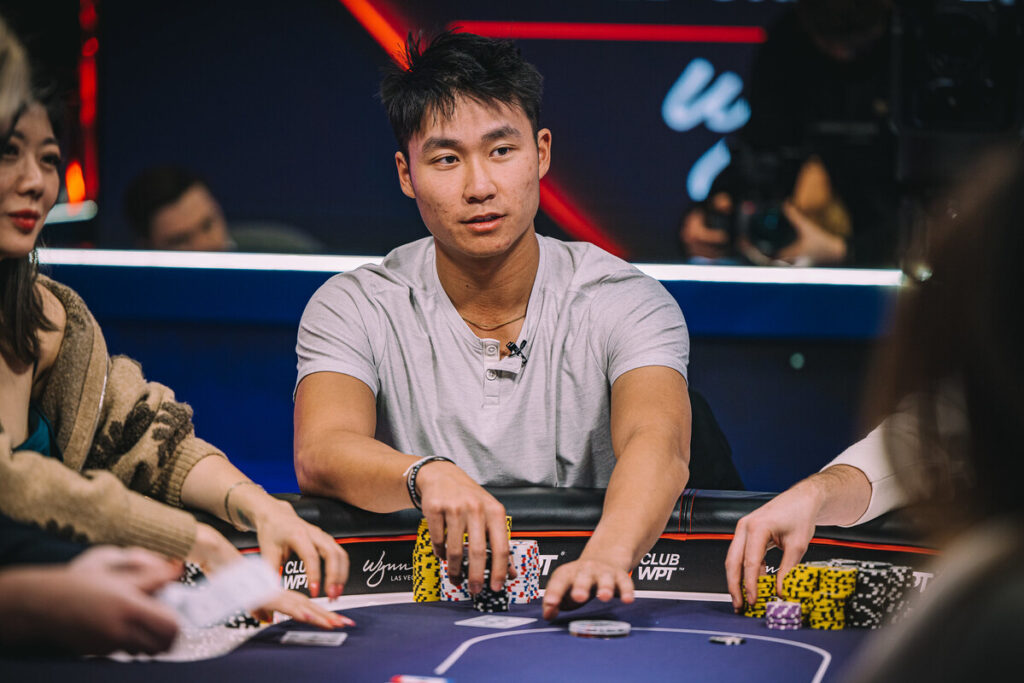
Poker today is tougher than ever and continues to evolve faster than most players realize.
“Even in the last few years alone, poker has gotten a lot tougher,” he says, pointing to solvers and platforms like pokercoaching.com as major drivers of that shift. “The baseline skill of the player pool has improved dramatically.”
Yet despite better tools, many players still struggle with fundamental mistakes.
“People are still too tight or too loose preflop, and that trickles down into postflop mistakes,” he explains. “That’s where a lot of the edge still comes from.”
At the highest level, understanding theory is just the baseline.
“The best players are extremely strong in fundamentals, but they can also pivot and play exploitatively,” he adds. “The biggest edge comes from recognizing when deviating from theory is optimal — and having the confidence to execute.”
As the game becomes more complex, players are increasingly turning to structured training to keep up.
Why Ethan Yau Joined PokerCoaching
Rampage’s move to join PokerCoaching comes from firsthand experience.
“The team includes close friends who have greatly improved my own game… I’ve personally benefited from their knowledge.”
Rather than positioning himself as a traditional coach, he sees his role as helping players connect with proven resources.
“I believe in the product and the team… if I can help even a few people discover that, it’s a huge win.”
He also credits his early development to foundational poker training content.
“I learned a lot from Jonathan Little’s material early on… and the coaching roster today is full of long-term crushers who can keep up with how fast the game is evolving.”
The Work Most Players Don’t See

While Rampage’s content focuses on action, he acknowledges that improvement requires work away from the table.
“I definitely fall under the camp of not studying nearly enough… but I’ve been able to surround myself with really sharp players and use poker tools like PeakGTO to run drills in spots I’m not comfortable with.”
Modern poker offers more tools than ever before, and Rampage believes they are essential.
“These tools are imperative… they drastically shorten the timeline it takes to become competitive.”
But even with advanced technology, improvement still starts with fundamentals.
On top of that, he realized many of his biggest mistakes weren’t technical. “A lot of my leaks come from my mental state… leading to certain implosions and six-figure punts.”
That realization shifted his priorities.
“I’ve prioritized my physical and mental health above all else,” he says. “If I’m in the right mindset, I can avoid catastrophic mistakes much more often.”
For players thinking long-term, Rampage’s advice is grounded in experience.
“Most people underestimate how much variance exists in poker… even the best players go through downswings.” His advice is particularly notable given his own aggressive style.
And beyond poker itself, “I’d strongly recommend having some form of variance-free income… it takes a lot of pressure off during downswings.”
Whether through content, coaching, or other ventures, having stability outside the game can make a huge difference.
How to Last in Poker
Rampage’s journey highlights both sides of modern poker: the opportunity to win big, and the reality of what it takes to compete.
From taking high-stakes shots to navigating million-dollar swings, his experience reflects a game that has become more demanding than ever, and where success requires not just courage, but discipline, study, and the ability to adapt.
And as poker continues to evolve, those who can combine all three and withstand the swings are the ones who stay ahead.