
Professional poker has traveled a long road from smoke-filled card rooms to high-definition screens. Today’s competitors can sit at multiple virtual tables, analyze results instantly, and cash out in moments.
Tech-savvy players now choose to play poker for bitcoin, trusting that the thrill of bitcoin poker has grown across the entire cryptocurrency scene.
These early choices in the lobby shape everything from bankroll management to tournament strategy. The digital era did more than widen access; it broke down geographic borders, introduced real-time data, and connected global audiences.
By tracing key milestones—online rooms, live streaming, advanced analytics, and evolving regulation—one can see how the game reinvented itself while holding fast to the timeless goal: making the smartest decisions with incomplete information.
From Dial-Up Tables to Mobile Apps
Early online poker rooms of the late 1990s consisted of simple chat boxes adorned with card graphics. Connections would often drop, hands would freeze up, and dial-up tones played in the background; nonetheless, thousands of eager grinders still logged on anyway.
These pioneer sites demonstrated that real-money poker could thrive online. Broadband allowed multi-table tournaments and larger prize pools. Decades later, HTML5 and responsive design made smartphones possible as mobile poker apps so pros could build stacks while taking transit.
All of this happens within a licensed casino environment with top-tier legal brands offering a modern, enjoyable, and safe gameplay across all devices.
The convenience revolution shifted player skills: now they had to manage hand histories on small screens, use thumb gestures instead of mouse clicks, and manage distractions in public spaces.
Mobile apps also made possible more informal formats like “Spin and Go” and “Zoom”, suited for busy lifestyles. What’s more, their 24/7 lobby created a round-the-clock economy so a grinder in Sydney could face off against one in Prague without changing bedtime schedules; thus accelerating learning curves while driving prize guarantees through the roof.
Live Streaming and the Birth of Poker Celebrities
Since video platforms like Twitch and YouTube opened their doors to gaming content, poker quickly found itself at the center of public discussion.
A grinder in their spare bedroom could broadcast every river card they played out to thousands of viewers worldwide – instantly becoming a celebrity within an industry he or she once barely existed in.
Transparency altered how professional players approached their craft. Now, they balanced optimal play with showmanship by explaining ranges and celebrating big bluffs for the camera. Viewers also participated, engaging with each other through chatter, analysis, and tipping in an immersive two-way street that felt closer to esports than casino corners.
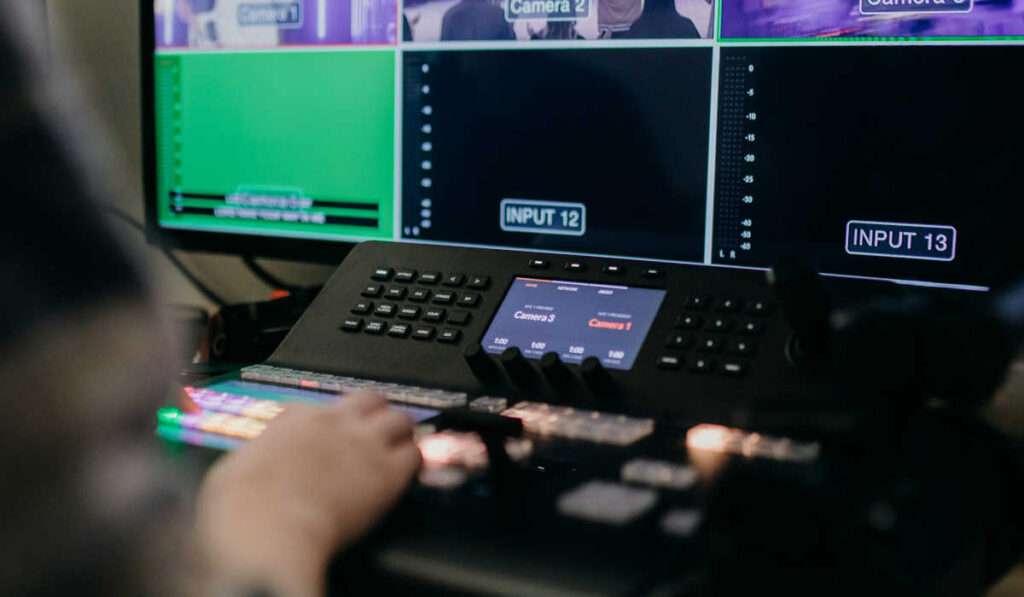
Sponsorship models shifted accordingly; operators rewarded streamers not just for winnings but for minutes watched, subscriber counts, and social-media buzz as well.
Card graphics and equity calculators made each broadcast an engaging classroom, and highlight clips were shared across social media within minutes, spreading memorable hero calls beyond poker circles.
As personality became part of the profit equation, new stars emerged who may never have reached a live event final table but who commanded loyal online armies. The result is an enjoyable yet educational game experience for newcomers who can learn terms and etiquette before ever posting a blind.
Big Data, Solvers, and the Modern Training Regimen
Gone are the days when intuition alone was enough to separate amateurs from professionals. Today’s elite players import every hand into databases that display leak charts, positional profits, and opponent tendencies instantly with one click.
Game-theory solvers were an incredible breakthrough for betting markets. These programs crunch through millions of potential branches to identify balanced betting lines that cannot be exploited long term.
Instead of guessing at what “feels right,” a pro learns from studying solver outputs before training their muscle memory with drills that replicate optimal frequencies – until such time as it rivals or exceeds live play in terms of time spent.
Study groups work remotely, sharing screen captures and color-coded range charts. Meanwhile, artificial intelligence continues to raise the bar: when research bots defeated top heads-up specialists, the community scrutinized those transcripts like sacred texts.
Open knowledge has both shortened learning curves and hastened meta shifts, so staying current becomes a nonstop race rather than a seasonal tune-up. Study apps ensure no commute goes unused while VR replay rooms allow students to step inside pivotal hands, freeze action, and inspect bet sizes just like coaches would do with film footage.
Regulation, Security, and What Comes Next
As online poker has developed, lawmakers around the globe have struggled to regulate, monitor, and secure this burgeoning marketplace. Some jurisdictions established ring-fenced pools, while others entered into international liquidity deals to combine player bases for bigger prize pools.
Robust identity checks, geolocation tools, and two-factor authentication have become standard across online gambling markets, easing fears about underage participation while protecting against colluders attempting to operate unnoticed.
Payment technologies also advanced significantly during this period. Peer-to-peer transfers and blockchain ledgers offer swift withdrawals without incurring steep banking fees. Yet, with convenience comes new threats; sophisticated bots and real-time assistance software threaten the integrity of games.
Leading operators now employ pattern-recognition algorithms similar to those utilized by financial institutions in order to detect suspicious play before it threatens ecosystem integrity.
Virtual-reality tables hold great promise of merging live tells with digital convenience, while shared liquidity pacts between regulated states could recreate global player pools from the golden days.
However, poker’s survival depends on balancing innovation with fairness to ensure every shuffle feels just as trustworthy online as it would on velvet felt.