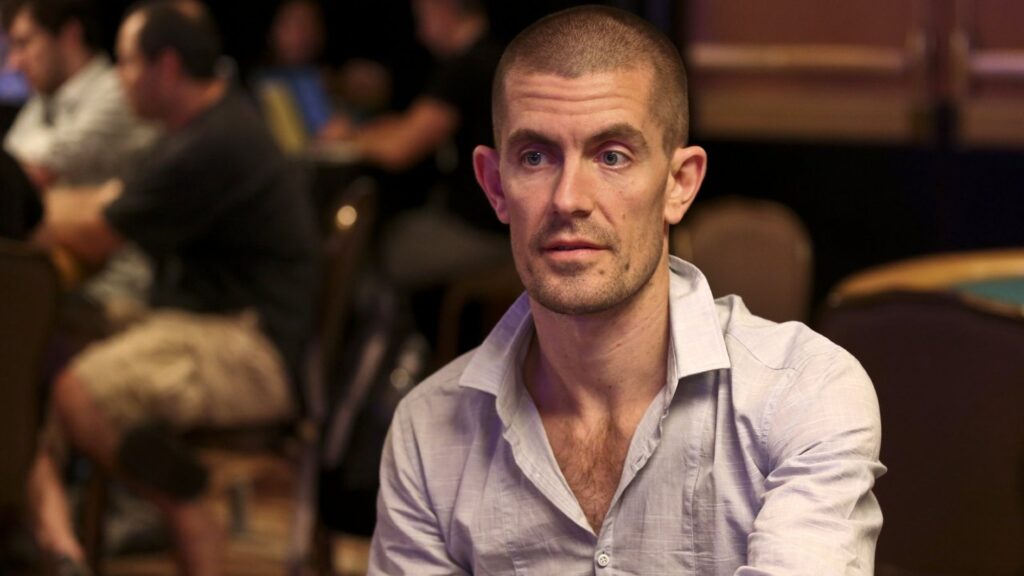
Gus Hansen, also known as The Great Dane, became famous in the poker world during the Poker Boom era as one of the most aggressive and most successful players around.
Born in 1974, Hansen exploded on the tournament poker scene in the early 2000s, dominating the World Poker Tour (WPT) and World Series of Poker (WSOP) events over several years.
Hansen’s fearless and aggressive style of poker was years ahead of its time, and was enough to crush his opponents in the tournaments, many of which had not yet adjusted their games to the modern playing style.
Yet, despite all his success in NLH tournaments and his well-known mixed games prowess, Hansen was not able to fully translate that success to the new poker arena that was just emerging at the time.
Gus took the online poker world head-on, playing anyone who would take his action, and playing for high stakes. Before he knew it, he was in over his head, and he had become the biggest loser in online poker history.
Tournament Results Made Hansen Cocky
Gus Hansen’s first two Hendon Mob entries are two victories in major WPT events. In 2002, he won the Five Diamond World Poker Classic in Las Vegas for $556k, and followed that up with a 2003 victory at the LA Poker Classic for another $532k.
Going back-to-back in WPT events was a great feat even back then, and Gus had no intention of stopping. He won the PokerStars Caribbean Adventure in 2004 and accumulated millions in winnings in just a few short years.
In 2007, Hansen won in Australia too, taking home the Aussie Millions title and over a million dollars, and writing his new book “Every Hand Revealed,” which showcased his playing style to the world.
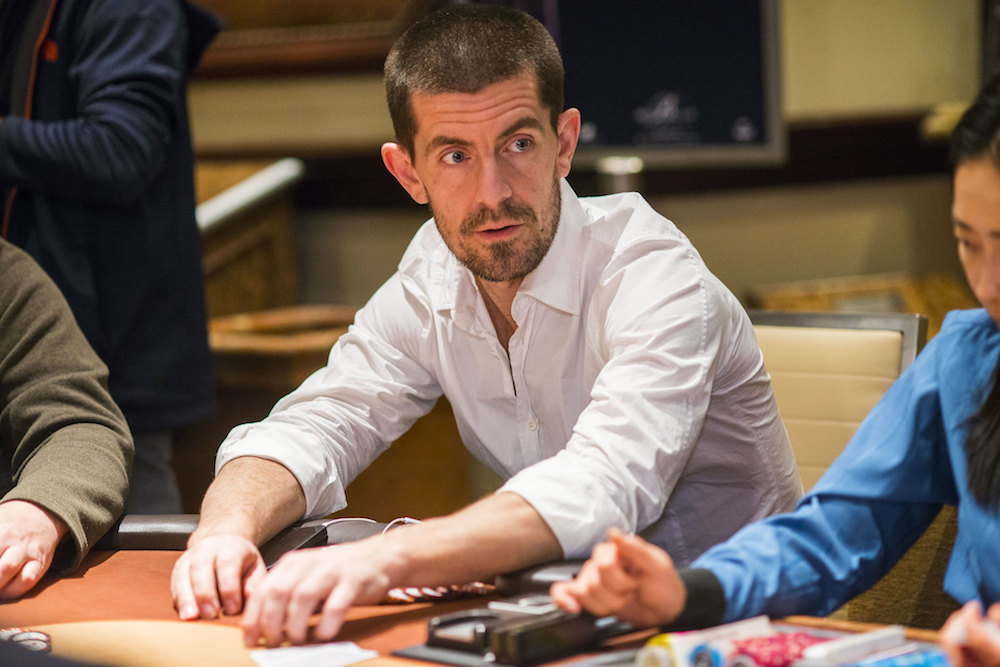
Gus played aggressively, bet often, and put his opponents to the test in every hand. The poker world was not ready for this, and the tournament players were left giving him chips whether they wanted to or not.
In just a few short years, Hansen became a superstar, and his appearances on the early seasons of High Stakes Poker made him even more popular among the poker fans.
The game was exploding at the time, as the Poker Boom was in full swing, and there was more money to be won than ever before.
All the success he had in the tournament arena made Hansen somewhat cocky, so he decided he would take on anyone and take advantage of the emergence of online poker to win even more and crush the online cash games for millions.
This was his biggest mistake, as things took an unusual turn for the worse, and his online results were not what he had expected.
A Different Ball Game in the Online Arena
Following his success at the WPT, WSOP, and Aussie Millions, Gus Hansen took online poker more seriously. He was already a sponsored pro for Full Tilt Poker, one of the biggest poker sites in the world, so he made this platform his home.
At the time, Full Tilt Poker was the place to be for high-stakes poker games, as the likes of Phil Ivey, Patrik Antonius, and Tom Dwan all played there regularly.
The games really took off after 2010, and when the online phenom Viktor “Isildur1” Blom took the platform by storm in 2012, the entire poker world was fully committed to following these tables.
And while the likes of Ivey and Antonius walked away with millions in winnings after some grueling high-stakes sessions, for Gus Hansen, things seemed to be going from bad to worse with every passing year.
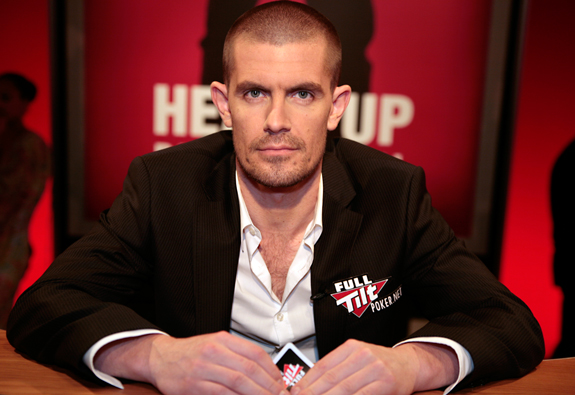
His initial results weren’t too bad, and losses could be attributed to variance. Yet, as years went by, it seemed clear that Gus simply wasn’t good enough to beat these players consistently.
By the end of 2014, Gus Hansen’s account on Full Tilt Poker had accumulated over $20 million in losses, making him by far the biggest losing account in online poker.
Of course, players like Guy Laliberte may have lost more over their online poker careers playing on multiple accounts, but Gus was a pro, not a circus owner.
In 2015, Hansen finally gave up online poker, down some $20 million, and looking for ways to bring his life back on track.
Gus Admits to “Being an Idiot”
Hansen took a significant break from poker and reevaluated his career for years, playing only in high-stakes mixed games where he was actually a favorite, and probably doing quite well in those.
More recently, Gus re-emerged in the tournament poker world as well, this time under sponsorship of the French poker site Winamax, and with a new desire to show the world he still has it.
As part of his return, Gus hosted a Q&A session where he answered questions about his past life and career, and discussed his online poker losses in this session.

His answers were straightforward and truthful, and he claimed “he was an idiot” for playing in these games and trying to compete with the best players in the world in a game that wasn’t his strongest suit.
A mixed game specialist at heart, Gus played NLH with players like Daniel “Jungleman” Cates, Ike Haxton, and Tom Dwan, all of whom were NLH specialists and very strong opponents.
The losses came from a combination of bad play, cocky attitude, and zero game selection, all of which are now behind Gus, who is trying to turn a new page and become the player he was always meant to be.
The Great Dane Returns to Tell the Tale
Despite all his online poker losses, The Great Dane still remains one of the legends of the game, and his recent return to the arena suggests he still has the drive to compete and the skills to play poker at a high level.
His return to the arena has been slow, with appearances at a few major tournament series, occasional interviews, and no attempts at games that he’s not ready for.
A much more experienced Hansen is ready to rebuild, play in games where he has an edge, and use his poker legend status to keep things going from where he left them in 2015.
His story may just be the best evidence that game selection and bankroll management come before all other poker skills, as his career would have likely taken a different turn had he respected these two basic pillars of poker strategy.
Instead, the massive online losses forced Gus to step away from the game, rebuild his bankroll, and waste years of his life not competing in the tournaments he could have likely been crushing the whole time.