Phil Ivey is often considered the best poker player who ever played the game, and most of his fans know him as a straight shooter and a highly intelligent player who finds ways to win at gambling despite adversity.
This is why the entire poker world was surprised to find out that the Borgata, one of the biggest casinos in Atlantic City, and Crockfords, a Genting-owned UK gambling facility, were both branding Ivey a cheater for something that happened at the baccarat tables.
In a series of events that went down in 2012, Ivey and his partner had won just under $10,000,000 playing at the Borgata, and a further $12,000,000 at Crockfords. However, both casinos were claiming the wins weren’t legit.
What ensued was a series of legal battles in both countries that would question the very meaning of the word “cheating” and, unfortunately, create more questions than actual answers.
How Phil Ivey Found an Edge in Baccarat
Baccarat is one of the simplest gambling games out there, as it gives the player very few options, other than which of the two hands being dealt to bet on.
In 2012, Phil Ivey came to the Borgata Casino in Atlantic City with a partner, an Asian lady by the name of Cheung Yin Sun, who had a special talent. She knew how to recognize flawed patterns on the backs of specific playing cards.
Cheung’s talents were useless in a real casino environment, however, as these cards were not in use in any major casino, and there was nothing she could do about it.
Phil Ivey stepped in here, using his ultra VIP status to get the casinos to do whatever he wanted. Ivey requested a private Punto Banco table with a Mandarin-speaking dealer, decks of purple Gemaco playing cards to be used, and an automatic shuffler. Each of his requests was approved by both Borgata and Crockfords.
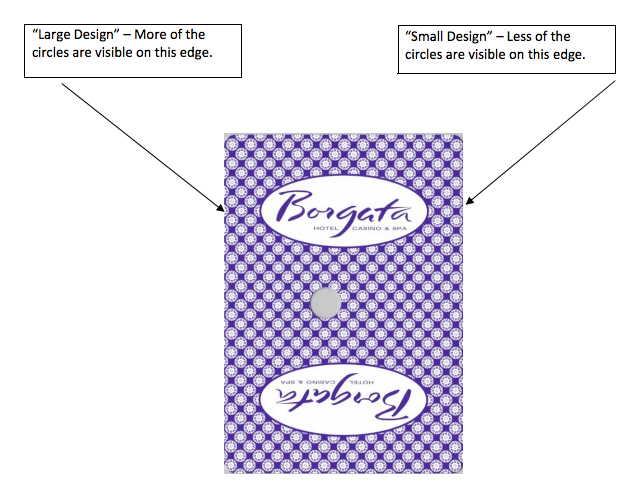
Thanks to his partner’s talents in “edge sorting,” which is how the particular technique is better known as, the couple was able to win consistently. They won $2.4 million in April, $1.6 million in May, $4.8 million in July, and another $800k in their final session at the Borgata.
Meanwhile, the two used the same techniques to win overseas at the Crockfords in London, where they quickly won $12,000,000 in a single session. Crockfords, however, refused to pay!
Ivey’s Legal Troubles Begin
As Crockfords refused to pay Ivey’s winnings, word reached the people at Borgata as well, who were now curious about getting their money back as well.
In 2013, Borgata filed its first lawsuit against Ivey, looking to recover the winnings, while Ivey sued Crockfords, looking to get paid on his big win.
The London case was the first to get resolved, and it wasn’t good news for Ivey. In 2014, Judge Mitting decided that edge sorting was “not a legitimate strategy for the game” and that the two had used the dealer as a tool to gain an advantage.
Ivey appealed the decision again and again, but on each occasion, he got the same verdict. While he was not being flat-out called a cheater, the Judges were adamant that his actions gained him an unfair edge. Ivey’s simple claim was “how can there be honest cheating?” but no one was really listening.
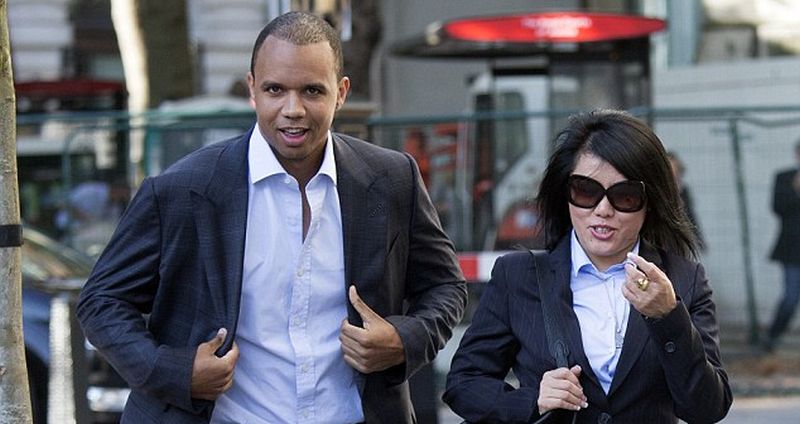
In 2016, Ivey got some positive feedback back at home, as Borgata’s claims that he had committed fraud were dismissed. However, the Judge did say the players breached contract, which meant they would have to repay the money they won.
Over the next couple of years, Ivey’s assets in New Jersey, and then Nevada as well, were at risk of being seized, which saw Ivey mostly stay away from playing live poker in the US, a tragic loss for the poker community.
The case with Borgata was finally settled in 2020, with Ivey presumably paying an undisclosed amount to the casino to put the case to rest once and for all.
After years of legal battles, Ivey had lost all of his winnings and probably a lot more, considering the indirect costs of being effectively exiled from plying his trade in the US for several years.
Was the Ivey Judgment Fair?
The real question in Ivey’s edge sorting case is whether or not the Judges made the right call. On the one hand, the players used unusual techniques to win, but on the other, they never did anything against the rules of the game.
When Ivey made his unusual requests, both casinos were happy to comply, hoping he would lose. Had he lost, it’s hard to believe either casino would have returned his money because he was using edge-sorting.
Once he lost, however, the script was quickly turned. Instead of a VIP, Ivey was branded a cheater, and the cases were sent into court proceedings.
Whether you believe Ivey cheated or not is one thing, but the fact that the casinos were willing to take a chance and try to beat him at his own game, only to turn to the courts later, shows just how far gambling operators are willing to go simply to win.
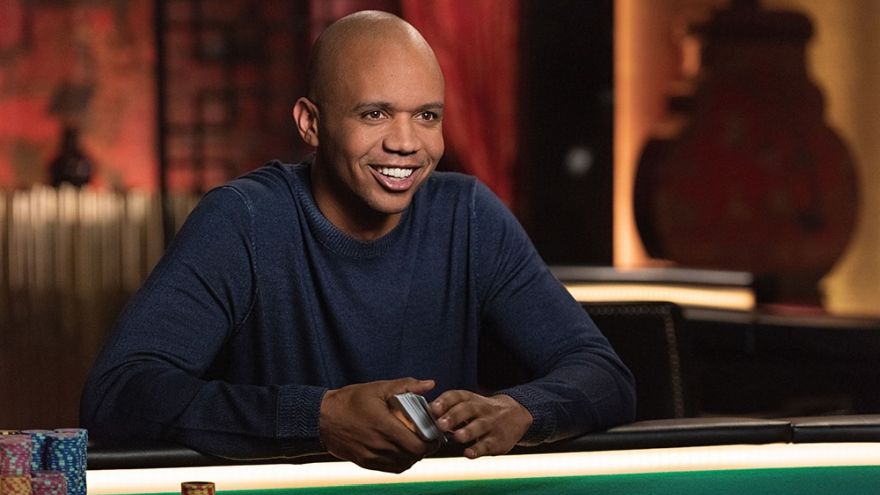
Ivey’s case taught us that the casinos are not looking to play fair, and once the money gets real, they are willing to take any edge they can find, regardless of the consequences to the players involved.
A lesson that both Ivey and the rest of us should take from this entire situation is to stick to poker, as the casinos won’t let you beat them even if you do it without breaking their rules.
Poker offers a fair alternative, but always remain vigilant, as there is probably more cheating happening in poker than any other game out there.