The first wave of the solver era was about access. The second wave may be about interpretation.
Today, nearly every serious player has access to GTO outputs, yet win rates haven’t risen proportionally.
The modern bottleneck isn’t information. It’s knowing what to extract, what to ignore, and how to turn theory into something executable under pressure.
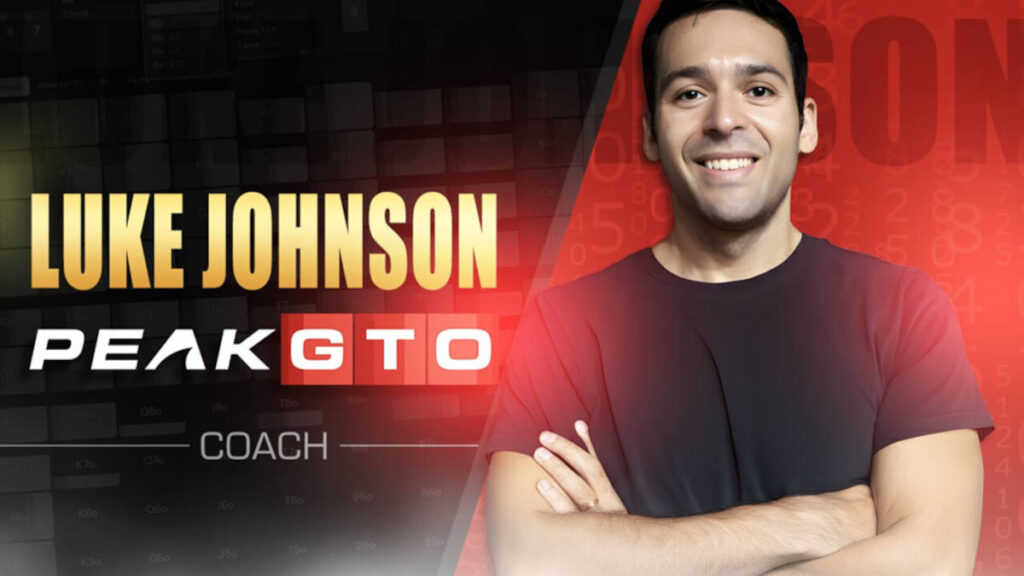
That context makes PeakGTO’s decision to bring in Luke Johnson as its first official coach more than a simple addition to the roster. It reflects a broader shift in poker training away from raw output and toward structured implementation.

The Solver Problem Most Players Don’t Realize They Have
Solvers are powerful. But power without direction creates confusion. According to Johnson, the biggest issue isn’t access but rather interpretation.
“Players don’t understand when and when not to listen to the solver.”
Solver output alone doesn’t create improvement. What matters is how you process it. When reviewing a hand history, he believes players should ask:
- Is the feedback digestible?
- Is it discernible for next time?
- Does it align with your style?
- Does it align with the goals you set before reviewing the hand?
His advice is simple but often ignored:
“Set goals for each hand history review.”
Too many players open a solver without clarity on what they’re trying to extract. The result? Overwhelm instead of insight.
Studying Faster by Studying Smarter
In an era of endless content, many players believe improvement requires more hours of grinding. Johnson disagrees.
“Do only what you ENJOY. Consistency is manufactured through enjoying the process, not doing too much.”
He argues that improvement compounds through sustainability, not intensity. If the study feels like a chore, long-term consistency collapses.
His framework for accelerating improvement includes:
- Structuring sessions intentionally
- Finding a like-minded study partner
- Aligning poker goals and outlook
- Prioritizing structured, consistent reps
“Humans learn in patterns. Getting structured and consistent reps is a great way to build and expand upon your knowledge.”
What PeakGTO Does Differently
So what makes PeakGTO different from traditional solver environments?
Johnson points to practicality.
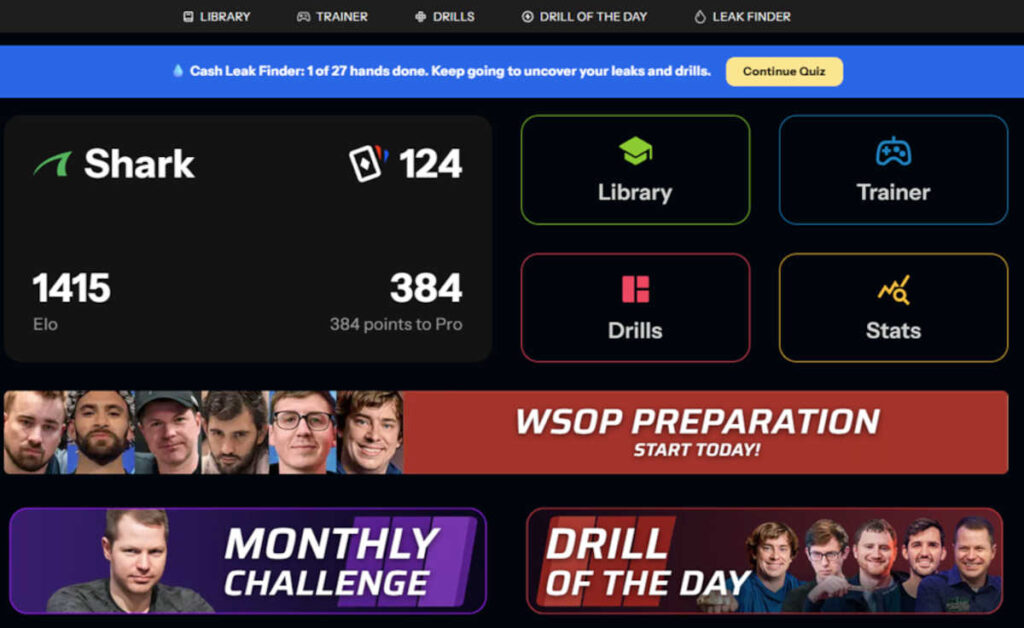
“Realistic frameworks. The Clanty packs are custom-built with your online experience in mind. And the video feedback in each spot makes the learning pragmatic.”
Rather than forcing players to interpret raw output alone, PeakGTO integrates:
- Structured frameworks
- Custom-built training packs
- Video explanations embedded within solver spots
It turns solver output from something you analyze once into something you rehearse until it becomes instinct.
Instead of asking, “What does this output mean?”, players are shown how it applies in real games.
Balancing Theory and Exploitation
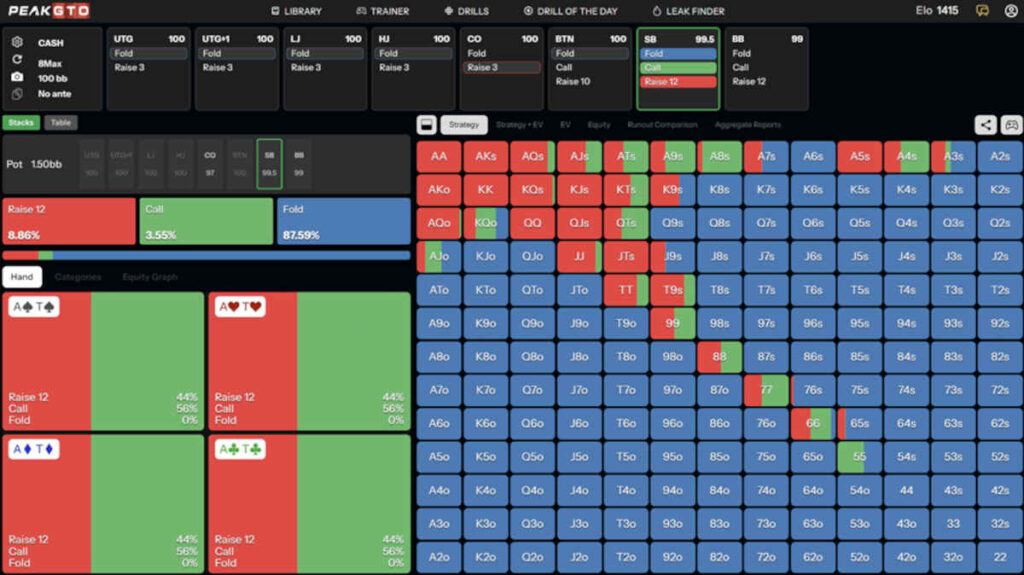
One of the most nuanced debates in modern poker is GTO vs exploitative play. Johnson approaches it situationally.
“If I’m playing versus a professional, my baseline is theory. If I notice something, I’ll investigate to see if I can counter with exploits.”
Against recreational players, however, the adjustment is immediate.
“I’ll go head over heels into exploitative play from the beginning. Even adjusting my preflop RFI range and sizing to maximally exploit them.”
But he adds a crucial caveat:
“To be a strong exploitative player, you must also be an equally strong theoretical player. How can one exploit without knowing the baseline?”
In other words, theory is the foundation, and exploitation is the application.
Where Poker Training Is Headed
Looking ahead, Johnson sees a refinement in how solvers are used.
“I’d like poker training to focus on how to interpret solvers to get WHAT YOU NEED from them and nothing more.”
He believes the future lies in:
- Structured and pragmatic approaches to theory and exploitation
- Working smart over working hard
- A stronger emphasis on mental game development
As solvers become more accessible, edge will come from clarity, not complexity.
The partnership between Luke Johnson and PeakGTO signals something larger than a new content series. It reflects the maturation of poker education.
By combining structured theory, embedded video feedback, and guided drilling, PeakGTO aims to move players from passive consumption to active execution.
The next edge in poker won’t come from having more data. It will come from extracting the right data and executing it under pressure.