There was a time when Drew “BetOnDrew” Gonzalez believed that making it in poker meant landing a sponsorship.
Today, he already has one.
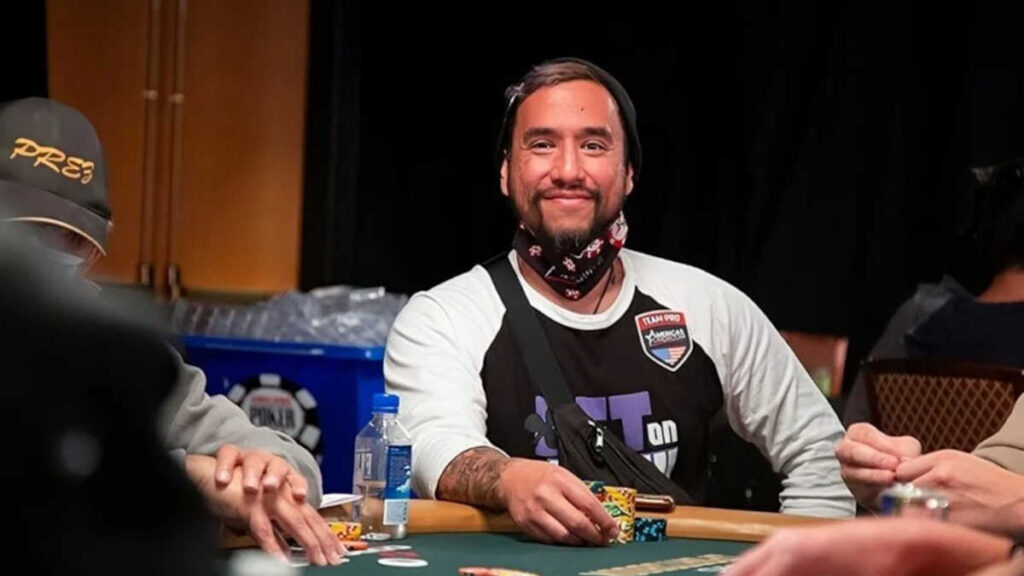
He quit his day job in 2010 to pursue poker full-time, became one of Twitch’s earliest poker streamers, helped pioneer poker content creation when few players saw its potential, earned a spot in Bill Perkins’ Thirst Lounge project, and eventually joined ACRPoker as a Team Pro.
By most standards, that’s a poker success story.
Yet when Gonzalez looks back on the last fifteen years, he doesn’t see a career without regrets. In fact, his biggest one has nothing to do with tournaments he didn’t win or opportunities he missed.
It’s that he spent so much time building the brand that he didn’t spend enough time building the player.
I’ve invested so much of my time and energy into content creation and streaming, Gonzalez says. If I want to improve as a poker player, I need to dedicate more time to playing and studying.
It’s a surprisingly candid admission from someone whose career was built in front of an audience.
While many poker professionals disappeared into solver work and endless study sessions, Gonzalez was live on Twitch, entertaining viewers, growing a community, and helping define what poker content could look like.
That investment paid off, but it came with a cost. Now, more than a decade later, he’s trying to close the gap between the content creator people know and the poker player he still believes he can become.

Betting on Drew
In hindsight, “BetOnDrew” feels less like a screen name than a life philosophy.
Long before thousands of people knew him by that name, Gonzalez was working a regular job and wondering whether he’d regret never giving poker a real chance. He had already found some success at the tables, but the bigger realization was that he could already see where his career outside poker would end.
“There was a ceiling on how far I could go,” he says.
More than anything, he didn’t want to spend the rest of his life asking himself one question.
“What would’ve happened if I had taken a shot?”
Eventually, wondering became harder than risking failure.
Gonzalez quit his job and, as he puts it, committed “every ounce” of his energy to making poker work. Sixteen years later, he still considers it one of the best decisions he’s ever made.
Here we are in 2026, and I’m still doing it. I’m grateful I took that leap of faith.
More Than Exposure
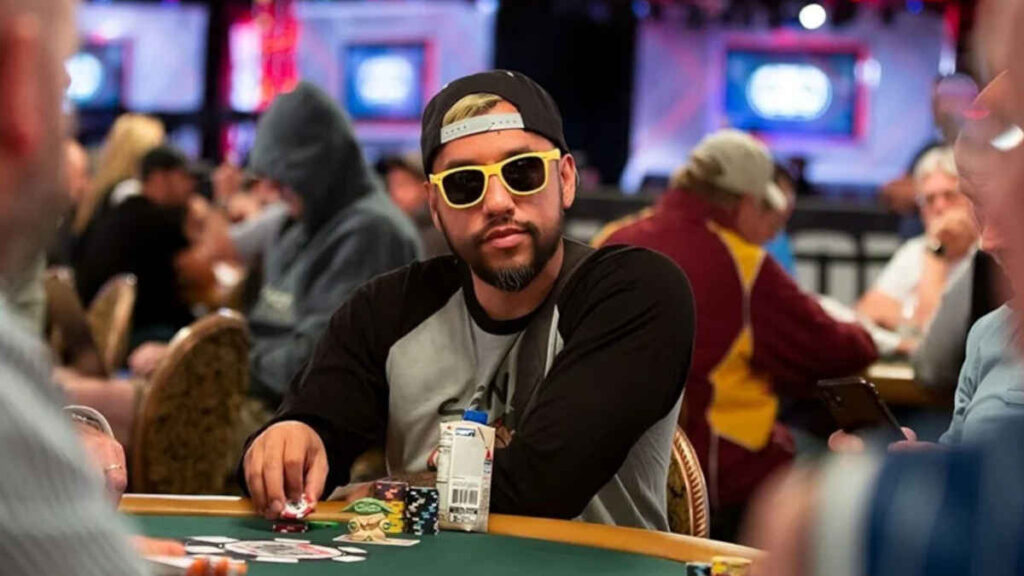
Every poker career has a turning point.
For Gonzalez, it wasn’t a tournament victory.
It was an invitation.
Bill Perkins’ Thirst Lounge brought together a group of aspiring creators and poker personalities at a time when live streaming and poker content were still finding their place in the industry. Looking back, Gonzalez doesn’t point to the exposure as the project’s biggest benefit.
Instead, he talks about the people.
It taught me the importance of networking and putting yourself out there.
More importantly, it surrounded him with ambitious people who encouraged experimentation rather than perfection. Everyone brought different strengths, different ideas, and different perspectives. Gonzalez absorbed as much as he could, borrowing pieces of what made others successful while developing his own voice.
It gave me confidence, he explains. I learned a lot from them and took pieces of what made them successful and applied it to my own life.
Years later, he still views the experience as one of the defining chapters of both his professional and personal development.
Building Something Bigger
The relationships formed through Thirst Lounge eventually led Gonzalez to ACRPoker.
Phil Nagy had taken notice of the content coming out of the project, and after it concluded, Gonzalez, Jon Pardy, and Ebony Kenney continued creating videos and streams with ACRPoker before officially joining the team in 2020.
For Gonzalez, though, representing Americas Cardroom has never been about simply wearing a patch.
I don’t view myself as someone who simply collects a paycheck, he says.
Instead, he tries to approach the role like an owner.
Whether it’s launching a vlog, creating new content, or experimenting with projects that help grow the community, Gonzalez says he’s constantly looking for ways to contribute beyond his obligations as an ambassador.
When I signed with ACRPoker, I started a vlog because I wanted to contribute more and help grow the community.
Part of that mindset comes from remembering what poker looked like when he was coming up.
I didn’t have access to many of the opportunities players have today. Being able to help shape that experience for others is something I take seriously.
It’s a perspective that has helped turn what began as a sponsorship into a long-term partnership built on shared goals rather than contractual obligations.
The Audience Can Wait
Ironically, becoming a better poker player has required Gonzalez to spend less time doing the thing that made him famous.
Streaming and elite tournament poker demand many of the same mental resources. Every decision requires focus, and every distraction comes at a cost.
So Gonzalez has made adjustments.
Off stream, he might comfortably play six or eight tables online. During a broadcast, that number drops significantly.
Streaming requires you to engage with chat, explain decisions, and create an entertaining experience, he explains.
Rather than trying to do everything at once, he’d rather play fewer tables and perform at a higher level both for himself and for the audience.
The same philosophy applies away from the computer.
Unlike many players, Gonzalez says he rarely worries about making mistakes in front of spectators during live tournaments.
The person most aware of those mistakes is me.
His focus isn’t on avoiding criticism. It’s on honestly identifying his weaknesses and continuing to improve.
Growing Up Together
Few people understand Gonzalez’s journey better than fellow ACRPoker Team Pro Jon Pardy.
The two rose through the ranks together, shared the Thirst Lounge experience, built content alongside one another, and eventually became teammates.
Today, Gonzalez describes the relationship in much simpler terms.
“We’re more like brothers than friends.”
Poker can be an isolating profession, full of travel, variance, and uncertainty. Having someone who has experienced every stage of that journey alongside him has been invaluable.
There aren’t many people who can fully understand your journey the way someone who’s lived it alongside you can.
For Gonzalez, that’s a friendship that has become every bit as important as any result at the poker table.
Trading Volume for Quality
One lesson Gonzalez wishes he’d learned earlier has little to do with poker strategy itself.
Like many grinders, he once believed the path to improvement was simply playing more.
More tournaments.
More tables.
More hours.
Now, he sees things differently.
If I’m playing twenty tables, I’m probably operating closer to my B-game or C-game.
Experience has taught him that quality almost always beats quantity. Fewer tables mean more thoughtful decisions, better focus, and ultimately a higher standard of play.
I’d rather focus on fewer games and perform at my best than maximize volume at the expense of decision-making quality.
It’s advice that mirrors the way he’s approaching this stage of his career as a whole. Rather than trying to do everything, Gonzalez is choosing to do fewer things better.
A Different Definition of Success
When Gonzalez first turned professional, his goals were straightforward.
He wanted the stability that came with being a sponsored player. He wanted to build something beyond tournament variance. Like countless aspiring pros, he dreamed of wearing a logo.
He accomplished all of that.
Today, his ambitions look very different.
Success is no longer measured by sponsorships or tournament scores. Instead, Gonzalez thinks about building long-term financial security for the people closest to him, creating the freedom to spend more time with family and friends, and eventually using his platform to support charitable causes and meaningful projects.
There’s still a long way to go, he says, but that’s the direction I’m working toward every day.
For years, “BetOnDrew” meant believing poker could become a career.
Now it means something else entirely.
The audience has already been built. The sponsorship has already been earned. The career many players dream about has already become reality.
Yet Gonzalez still sees unfinished business.
He’s no longer trying to prove he belongs in poker.
He’s trying to become the player he always believed was there.
And unlike everything else he’s built over the past fifteen years, that’s a challenge no one else can help him complete.