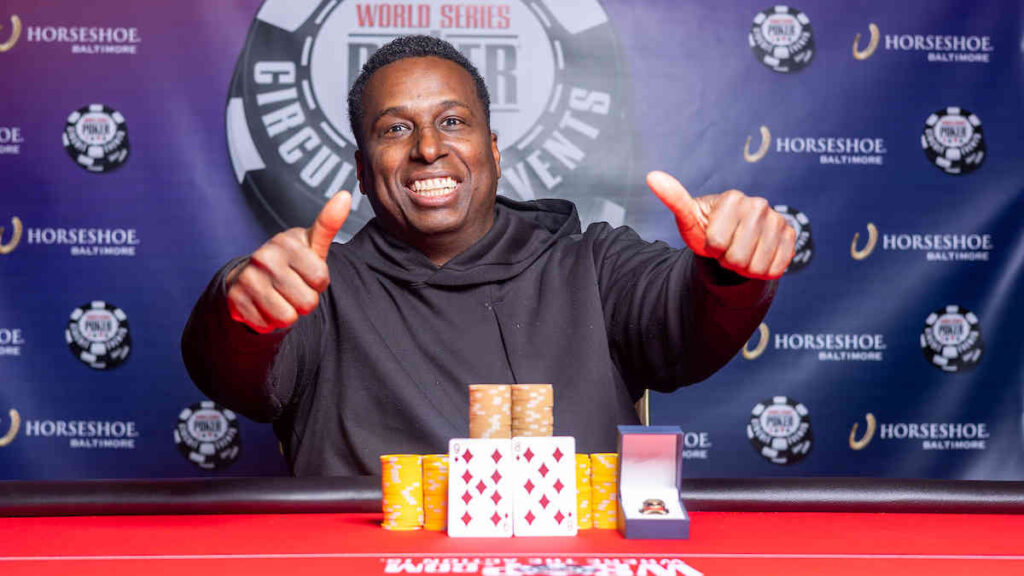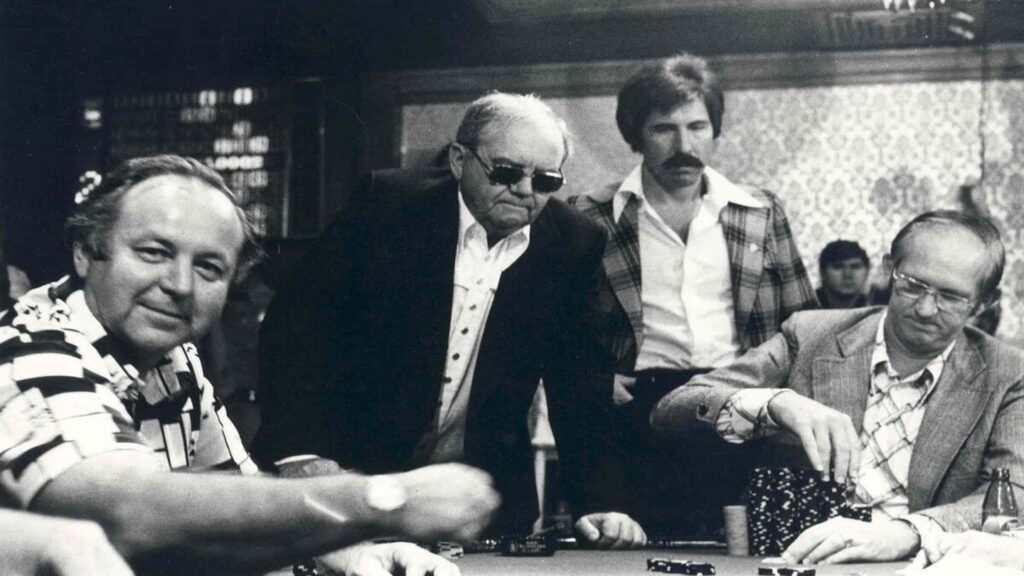
If an unsuspecting outsider looked at a major poker tournament today, they would see a respectable, fun, and competitive event filled with players of all ages and genders, from different walks of life.
Yet, it wasn’t always like this. Before 1970, poker was a game shrouded in mystery, played by outcasts in the backrooms of saloons and on riverboats, and associated with every type of immoral behavior you could think of.
Poker was still poker, and skill mattered, but playing in the right games and knowing how to stay safe were often more important than the way you played your cards.
Cheating was rampant, games got robbed at gunpoint all the time, and even the police would raid games purely with the intent of seizing the table stakes for themselves.
Had it not been for one man, by the name of Benny Binion, poker would have perhaps stayed an affair for the smoky backrooms and never would have become the global phenomenon it is today.
Today’s dive into one of the most interesting moments in poker history is brought to you by casinoonline.si, so let’s dive deeper!
A Gambler with Guts and Vision
Benny Binion was as much a part of the shady world of gambling I described in the introduction as anyone else. Convicted of killing a rumrunner in 1931, Benny ran illegal gambling operations in Texas before eventually finding a place for himself in Nevada in the 40s.
He established the Binion’s Horseshoe in Downtown Las Vegas, which quickly became one of the most successful casinos in the world. Benny’s vision for gambling, combined with his bravado and street smarts, made him the perfect game runner for this time.
In 1970, Benny had the idea that would change the game of poker forever. He saw that poker was different from other gambling games, and he believed that he and the top players he often played with could benefit greatly from it if they could pull new players into the game.
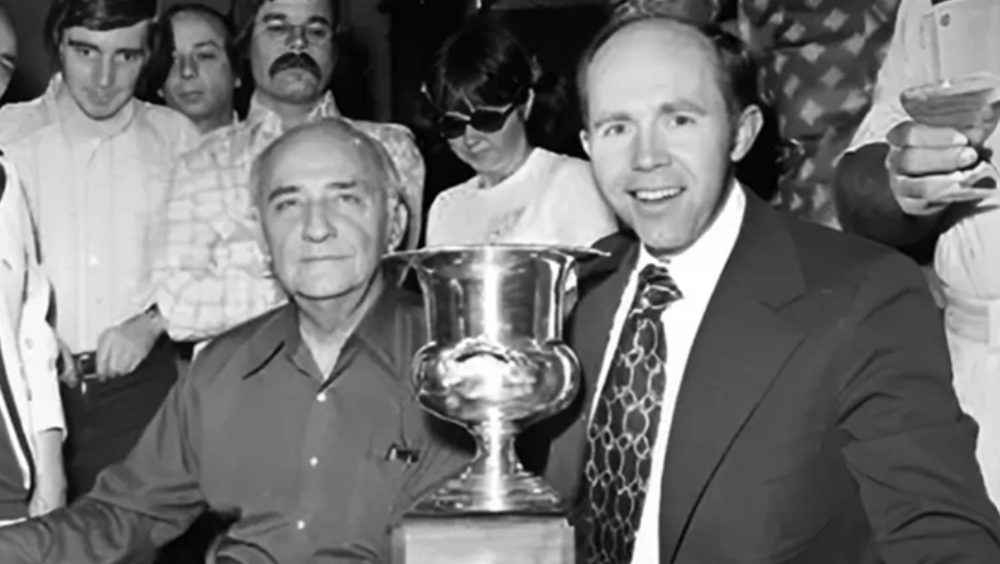
His idea was to take poker away from the backrooms and put it into the public eye. To do this, he convened seven poker players he believed to be the best in the world and founded the World Series of Poker.
The first WSOP was attended by the Godfather of Poker, Doyle Brunson himself, Johnny Moss, Amarillo Slim, and other legends of the game. Instead of playing poker, the seven voted for the best player, and the vote eventually landed on Johnny Moss after two rounds.
The WSOP was now established as an idea, and it was time to take it to the next level. The very next year, the group came together to play some cards, and the history of modern poker could start.
The WSOP Gave Poker Unprecedanted Exposure
In 1971, the first WSOP tournament was played at the Binion’s Horseshoe. The event was still small and brought together the same group of players as the year before, but the format was different.
The tournament had structure, clear rules, and was winner-takes-all, akin to a world championship in darts, chess, or pool.
Even a layman could tell the difference between a poker tournament of this sort and pure gambling, and this difference was about to make poker a global phenomenon.
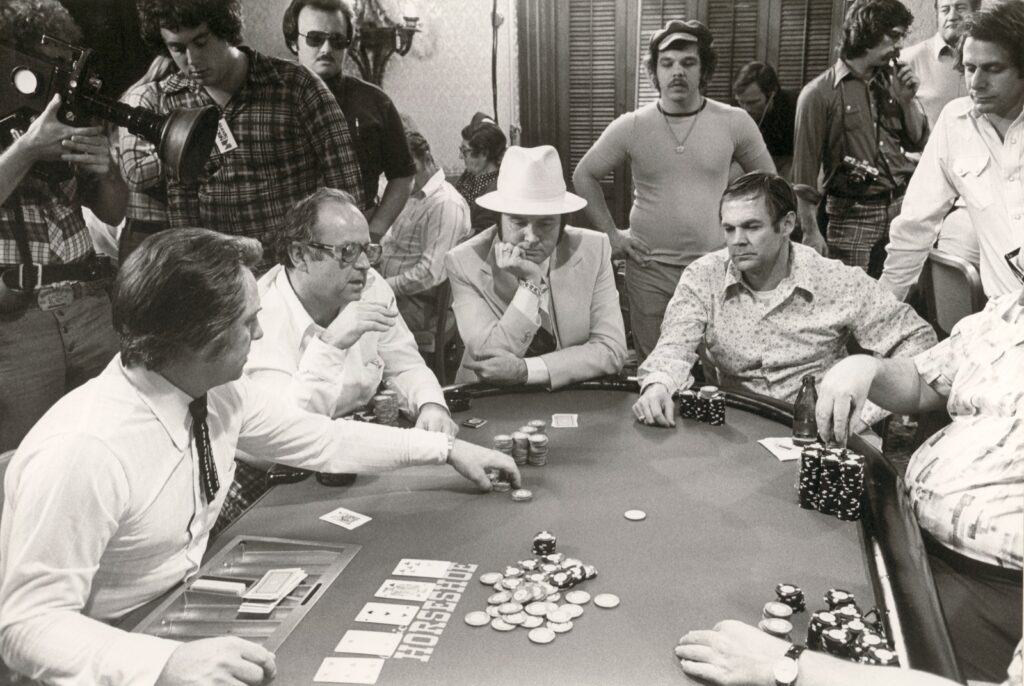
Slowly but surely, poker was turning from gambling to a sport, and tournament poker was about to sweep the country, and eventually the world.
Benny’s vision for poker was working, and casino goers started asking questions about the WSOP and its attendees. Players like Johnny Moss and Doyle Brunson were building a reputation in the mainstream and becoming famous beyond the world of backroom gambling and the criminal underworld. They were the first professional poker players in the modern sense of the word.
Poker Becomes a Global Phenomenon
The initial spark of the 1970 WSOP eventually ignited a fire that would continue to spread until it caught the attention of the mainstream media.
By the late 1980s, the WSOP was being filmed and aired on ESPN, reaching millions of viewers and showcasing the world’s best poker players.
The impact of poker becoming a televised event was immediate. New players began coming to Las Vegas for the WSOP every year, hoping to beat the games and become gambling legends in their own right.
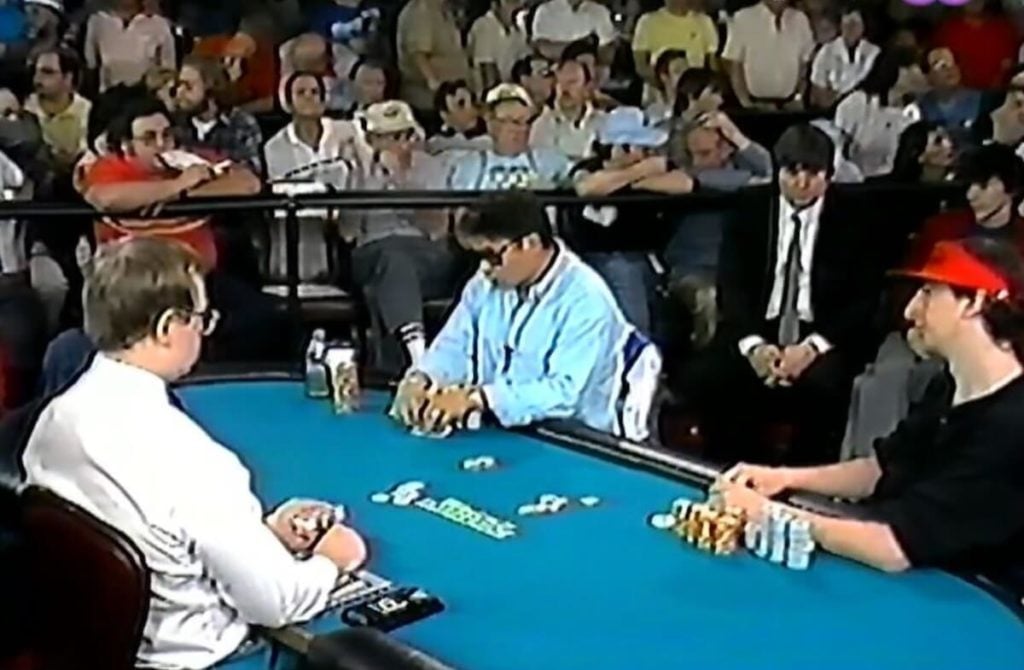
Most failed, of course, and many lost their fortunes playing in cash games on the WSOP sidelines, but others succeeded and built real careers in poker. Poker player was now a legitimate profession, and new poker tournaments and festivals started popping up across the US.
Even Benny Binion could not have dreamed of the success that poker would have over the decades to come, and the number of people who would start engaging with the game.
Benny died in 1989, too early to see the full impact the WSOP would have on the poker world, but even the glimpses he saw across the 1980s were enough for him to know his idea was a massive success.
The Modern Game Owes It All to the Poker Pioneers
Benny Binion, Doyle Brunson, Sailor Roberts, Johnny Moss, Amarillo Slim, and other poker players of the 60s and 70s laid the foundations of the modern poker world.
They didn’t play mathematically optimal poker; they bent the rules and shot angles, but they were the group that made poker what it is today.
Without the courage these men had to continue playing despite all the adversity, and the vision to bring the game into the light, thousands of players who made poker their careers in the 2000s would never have played a single hand.
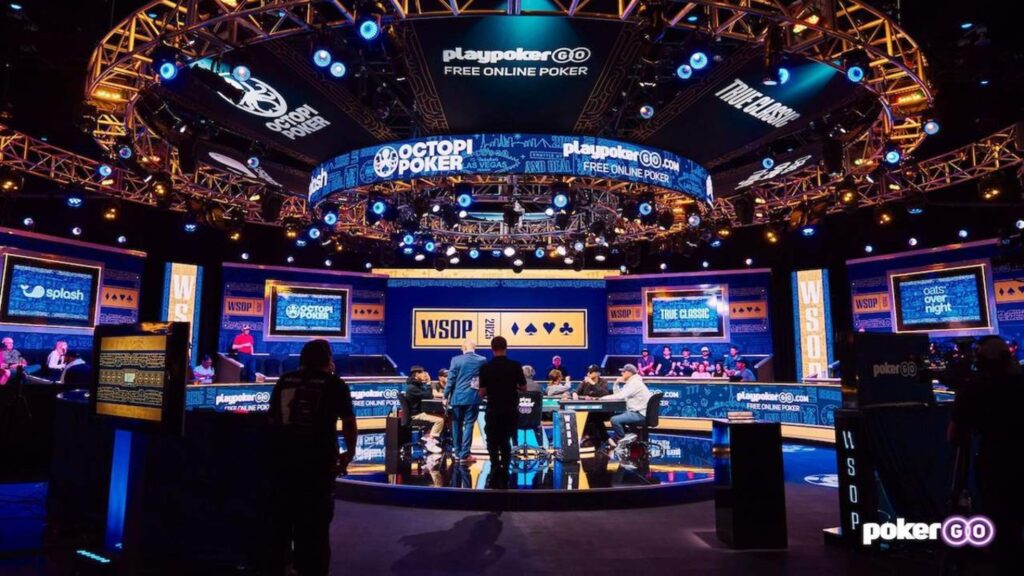
Many who came in the decades to follow added their own contributions to the development of poker. Still, none of it would have happened without the initial push by a group of gamblers who wanted to make poker more than everyone believed it could be.
The next time you sit down to play a poker tournament in a cozy poker room in Las Vegas, Macau, or Prague, remember how it all came to be, and tip your hat for the small group of poker players who made it all happen.