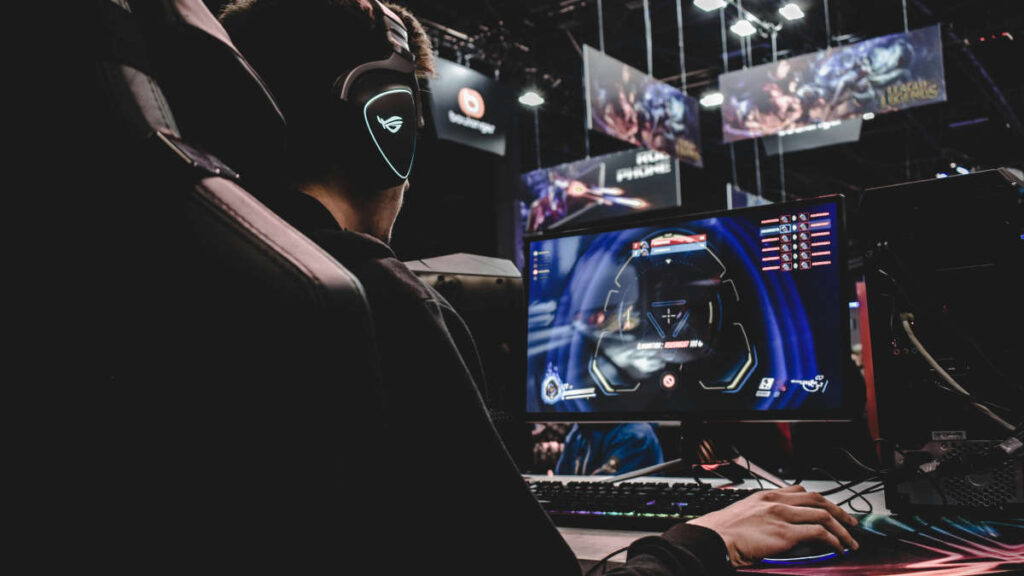
In the last ten years, video games have expanded rapidly. Realms are bigger, maps extend further, narratives endure longer, and updates appear to be endless (up to the point of seeming useless).
What used to seem ambitious now seems typical. A game that provides “just” 20 hours of content is frequently viewed as brief. Yet as games keep growing, a crucial question persists: are games becoming excessively large for their own benefit? Aren’t they, by any chance, becoming unnecessarily overwhelming?
This is not a criticism regarding quality. Many contemporary games are visually impressive, full of interesting missions, and thoughtfully crafted. The issue concerns time, focus, effort, and the ways in which players truly interact with these excessively vast digital realms.
In some ways, the expansion of online games is similar to poker, a card game that you can play over and over again. Although the setting doesn’t change, the circumstances do, to the point where every single poker session feels different and unique.
This is, perhaps, a reason why many successful gamers have turned to Texas Hold’em and built rather impressive careers out of it. One name that comes to mind is that of Bertrand ‘ElkY’ Grospellier, a former StarCraft pro-gamer turned poker crusher.
When Size Became a Selling Point
Not long ago, game length was rarely used as a headline feature. Today, phrases like “100+ hours of gameplay” or “the biggest open world yet” are common marketing tools. Size is often treated as proof of value. More content is expected to justify higher prices and ongoing subscriptions.
This is logical from a business standpoint. Larger games guarantee extended involvement. Extended engagement enhances updates and microtransactions and improves player retention.
However, from the perspective of the player, size doesn’t always lead to enjoyment.
A larger map does not automatically mean a better experience. In some cases, it means more walking, more repetition, and more time spent managing systems instead of playing. Bigger doesn’t automatically mean better.
Content vs. Meaningful Experience
One of the main issues with oversized games is not how content “is” but how content is used. Many large games rely on repeated activities to fill space; for example, you are expected to drive, ride, or walk with natural speed for the game to market it as “realistic”. Plus, side quests, collectibles, and optional tasks are meant to extend playtime.
At first, this can feel rewarding. Over time, it can start to feel like work. Players may find themselves asking, “Why am I doing this task?” “Why is it taking so long?”, “Does this activity add anything new or lead to any result?”, “Am I playing for enjoyment or obligation?”
It is true that the game of poker can sometimes feel like this as well. However, there is usually a financial upside to justify the time and effort one puts in. With video games, this isn’t the case. In fact, quite often, you even have to pay for the privilege.
When games become too large, meaningful moments can get buried under layers and layers of filler. The core story loses momentum, progress feels slow, even when effort is high.
This does not mean side content is bad. But when quantity outweighs purpose just for the sake of impressive size, players notice. There is a fine line between immersive and overwhelming.
The Time Problem
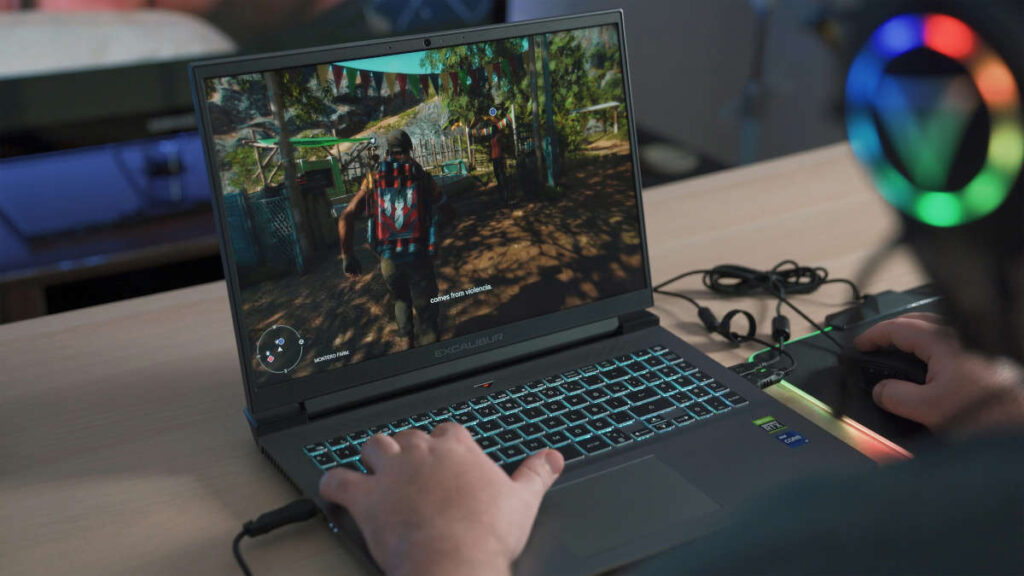
Modern games often pretend players have endless free time. In reality, many players, like most non-gaming people, balance work, family, and other responsibilities. Spending dozens of hours just to “get to the good part” can feel unrealistic.
Large games demand long-term commitment. They ask players to remember complex systems, ongoing storylines, and evolving mechanics. If someone takes a break, returning can feel confusing or exhausting.
Instead of excitement, there is pressure to catch up, especially if there are other players involved in the general progress.
As a result, some players abandon games they actually enjoy. Not because they dislike them, but because the time investment feels too heavy. This is a striking contrast between video games and all other game types that try to remove any barriers between the player and the game.
For example, returning to mobile games or gambling is easier because the mechanics is simple, or a player can claim a Playojo kicker code existing customer no deposit Canada promotion, or just start from the beginning.
Open Worlds and Empty Spaces
Open-world design has delivered some incredible experiences. Exploration, freedom, and choice can make games feel really alive. But not every game benefits from a massive world.
Many heavily-marketed open worlds are filled with empty spaces that exist mainly to connect the key points of interest. Travel becomes routine and even boring, and while the world is large, interaction is limited.
When scale is prioritized over density, player immersion suffers. Players stop engaging with the environment and start navigating it efficiently instead, just to get from point A to point B. The world becomes a backdrop rather than a living place someone would enjoy exploring.
On the other hand, smaller, more focused worlds often create a stronger emotional impact because every area actually matters. When everything has a purpose, players feel more connected.
We can go back to poker to prove this point. While the game doesn’t offer much in terms of visual satisfaction, countless players enjoy it for social elements and the excitement that doesn’t require crazy graphics. It comes from the feeling of accomplishment and outplaying your opponents.
Smaller Games Are Quietly Making a Comeback
Interestingly, while major games expand in scale, smaller indie games are receiving fresh recognition. Concise, well-structured experiences shine through because they value the player’s time and effort, instead of pretending that everyone has 100+ free hours just to wander around in the game.
Smaller games focus on clear storytelling, strong atmosphere, simple mechanics, and intentional pacing.
Players can finish them without stress. They can enjoy a complete experience in a reasonable timeframe, without feeling lost and asking themselves what is going on. And they can return later without the feeling of falling behind everyone else.
Final Thoughts: What Players Are Really Asking For
When players question the size of modern games, they are not asking for less effort from developers. They are asking for better balance; they want the developers to make the size of the game make sense.
In a nutshell, players want:
● Games that respect their time;
● Worlds that feel purposeful;
● Content that adds meaning;
● Experiences that feel complete.
Bigger can be impressive, but only when it serves the experience. When size becomes the goal to impress, enjoyment often suffers.