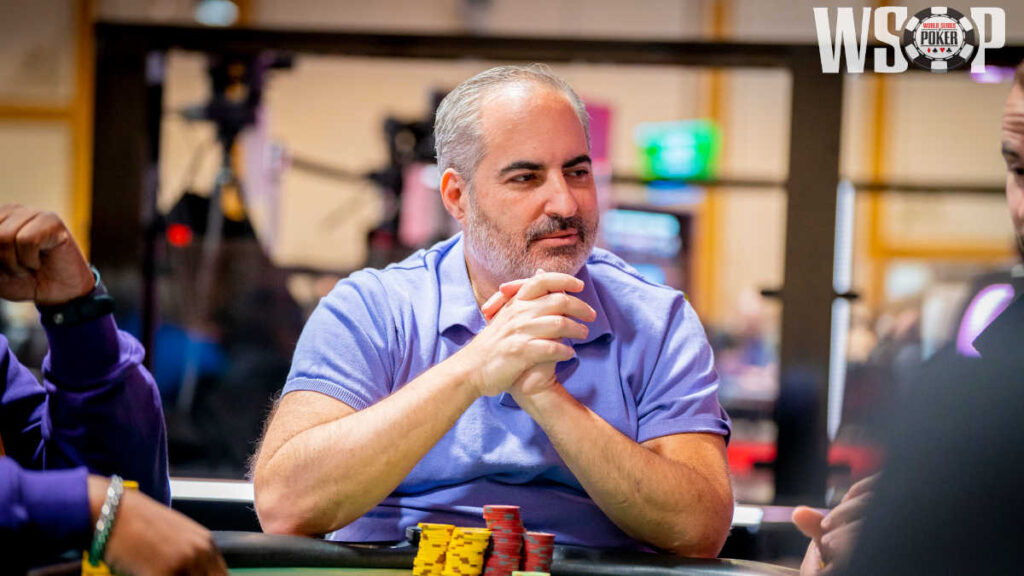
Image courtesy of the World Series of Poker (Lennart Hennig)
The modern poker game features more young players than at any point in history. The average age of players at the Main Event final table has dropped consistently over the years, while phenoms like Fedor Holz, Adrian Mateos, Landon Tice and Jeremy Becker have all begun their adult lives as poker players without a former career to call upon.
Matt Glantz recently posted his thoughts on playing high-level poker at such a formative age on social media. He described how, while some make it work for them, many other young players who came into the game early suffered from not having a stable working life and relationship to build on.
The Perils of Youth
When I speak to Matt Glantz, he’s just off the metaphorical trading floor, the career that he has had since before he ever played poker. When digging into Matt’s origin story, I wanted to find out what he himself was doing between the ages of 18 and 27. That’s the period of time he referred to as pivotal in the development of, in his case, becoming a young man.
After grad school at Temple, I went to the PHLX floor in 1993 as a ticket clerk for Timber Hill, he tells me. In 1994, I became an options market maker on the floor. By 1996, I’d built up enough equity to start my own market making firm, Apex Investments.
Such a rapid career growth in his early twenties isn’t too dissimilar from poker players who hit the big time early. Matt’s hunger set him apart from the pack at an early age.
We were market makers and specialists on all four major U.S. options floors, with twelve people working for me. I got married at 26, and started having kids at 30. I wasn’t missing poker. It wasn’t a real part of my life yet. Looking back, I think that timing was lucky.
Matt first got into poker in his mid-twenties and loved the game immediately.
It was a No-limit Hold’em game in a trading firm’s office over the stock exchange. I think it was $5/$5. I knew right away it was something I’d enjoy trying to get better at. I only played poker a handful of times on the exchange and took my first trip to Atlantic City to play at the Trump Taj Mahal when I was 27.
With his first live tournament cash being a $13,600 runner-up finish at that venue in the $540 U.S. Poker Championship in 1999, early forays to the poker felt were a success. However, Matt says that he didn’t take poker seriously until he was 31.
I had already built a solid career and had the beginnings of a family. I was very fortunate that way. What kept me there was that it used the same muscles as the floor. Pricing risk. Reading people. Sizing a bet when you don’t have the full picture.
Those trading floor skills were easily transferable to the game of poker, and Matt called on them all as he started winning more and more.
Estimating, calculating, figuring out anything where you’re given imperfect information was always something I excelled at. Since 2002, poker has always been my second career. I don’t think I can ever stop trading.
The Tortoise and the Hare
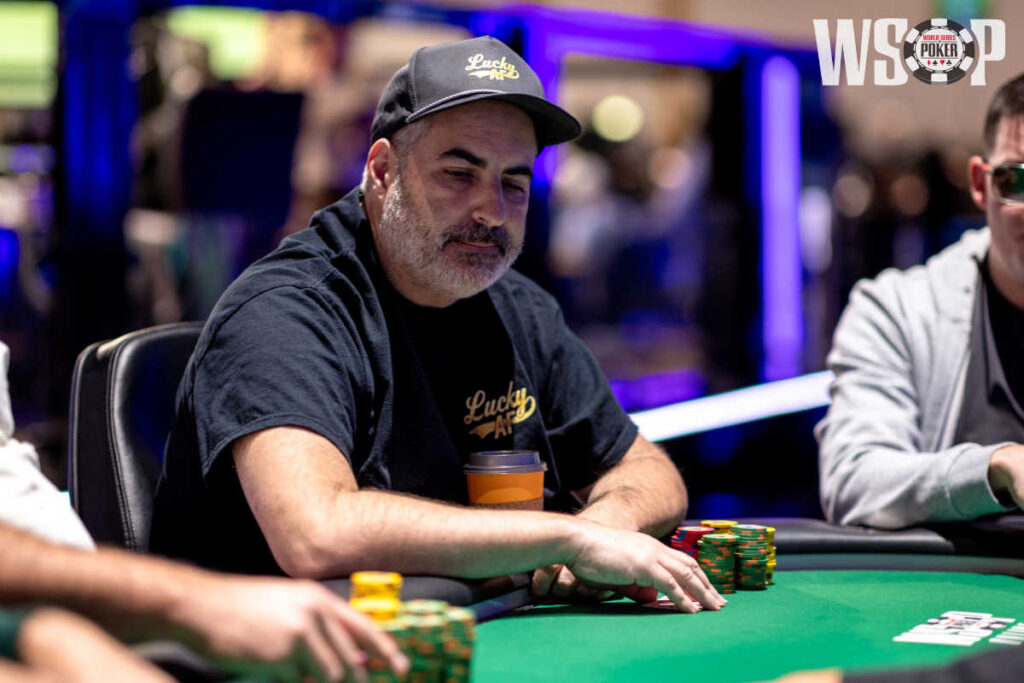
Everyone’s chosen career moves at a different pace than others. Some start off like a sprinter, and others pick up pace as they move deeper into their journey. I asked Matt if he ever felt like he was playing catch-up when he compared himself to younger poker players or whether his stable career gave him financial and emotional security.
I never felt like I was racing younger players on volume, Matt says. I wasn’t trying to be the guy with the most hands. Having a career behind me meant I never needed to win this month to pay rent. That’s real freedom. You make better decisions when a bad run can’t break you.
As far as Matt feels, that feeling of being “desperate” to win at poker is an obstacle, one that has to be overcome in order to win in the long term.
I focused on H.O.R.S.E. and then eventually 8-Game until almost COVID, really. I never studied or even applied much toward No-limit Hold’em until the last few years. Mixed games reward adjusting and experience more than raw volume.
In terms of having a relationship, a lot of players such as Daniel Negreanu, Josh Arieh and Jason Koon credit a lot of their recent success to supportive partners. The perception of a stable relationship as an 18-year-old can be a negative one.
At 18, stability looks like a cage. Later, you figure out it’s the very thing that allows you to take real risks. A player with no floor under him can’t mentally play his best game, and he usually can’t find a healthy lifestyle to fall back on. The young guys who treat stability as the enemy are the ones who usually end up in a dark place.
Variance and Volatility
Poker is often talked about only in terms of those who visit and those who stay. Lifers, or leavers. Many poker players of old either quit while they’re ahead… or while they’re behind. They’ve moved on to other careers, left the game behind.
But Matt always felt comfortable blending his steady career on the trading floor with his growing efforts at the poker felt. He’s positive that working as a hedge fund manager now and as a trader previously had benefits for his poker game beyond a financial safety net.
I’ve spent my whole working life pricing options. Poker is the same job with cards: probability, edge, variance, and how much to put at risk. The trading floor teaches you to make a decision fast and live with it.
It teaches you to be comfortable being wrong, as long as you learn from it. It also teaches you variance isn’t personal. That carries straight over.
The assimilation between the purity of numbers, stocks and shares on the trading floor and poker is obvious. The game is a pattern of probabilities merged with the variance of playing out each situation. As Matt describes, learning from mistakes came naturally to him, and it went both ways, his poker play benefiting his career in the markets.
I traded my own money until COVID. Then some of the best players in the world started asking me to trade for them. That’s how my volatility fund started, from them sweating my trading during COVID lockdown.
Matt’s contacts in the poker world have become his customers in the trading game he’s been playing for over two decades.
My investors today are guys I sat across the poker table from for 10 to 20 years. They know how I handle risk because they’ve watched me do it with chips. Poker didn’t just borrow from my trading; it built the current form of my business.
I play a lot less since COVID. I trade S & P volatility [Wall Street’s so-called “fear gauge” of future price fluctuations] every day. Poker is relaxing for me, and I treat it mostly as a personal challenge.
Should Anyone Quit Their Day-Job?
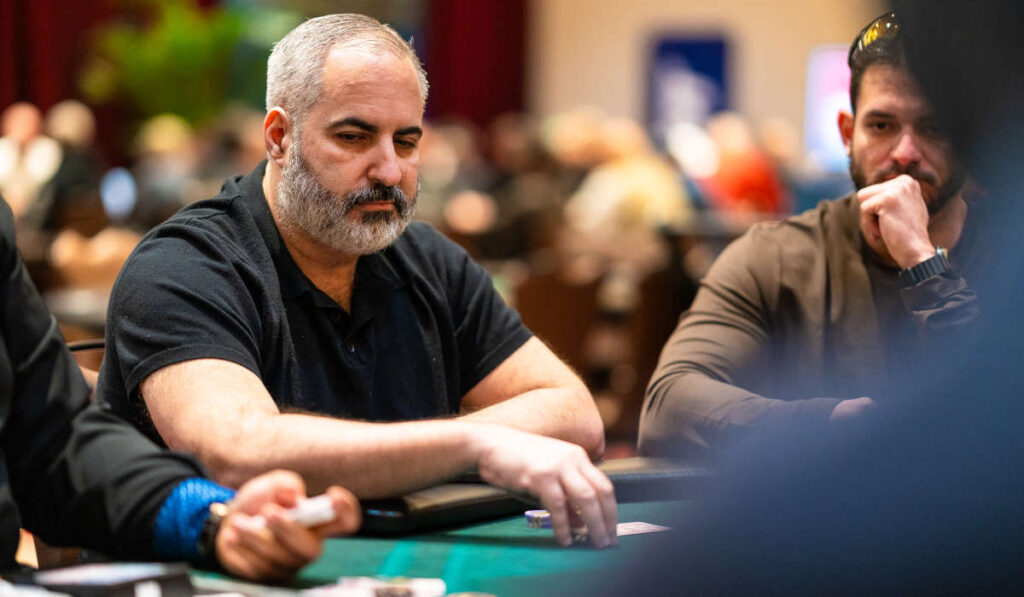
Matt’s view on building a career before poker and not sacrificing it fully in the pursuit of glory in the great game is one I want more information on. So many poker players aspire to quit their day jobs and become a poker professional, so I want to know what Matt would say to teenagers today who have that aspiration.
Don’t quit your job. If you don’t like your job, do your best to find a career you can enjoy. But don’t quit your job for poker, says Matt.
Yeah, poker can be a fun lifestyle when you are young. You can make a lot of quick money, but you can also lose your bankroll through no fault of your own. Variance is a bitch, especially when you don’t have the experience to understand it.
While Matt would err on the side of caution in terms of poker, that should be prohibitive to anyone having a professional outlook on the game.
I wouldn’t tell a kid that he can’t make money or have a successful career in poker, because you can do both of those things. But the problem is the things in life you wind up missing because of poker. The things you will likely miss out on are the actual reason you shouldn’t go full time into poker.
Matt tells me that over the years, a handful of young players have reached out to him privately. Some feel stuck in poker. Some want to know how to get into trading or business. He’s always been happy to advise them and continues to do so today, and is pleased he didn’t find the game at a very young age.
Getting into poker is easy. Getting out with something to show for it is the hard part. I am glad I didn’t find poker at 18. I would have jumped at the chance to make my way in this game. I would have likely missed out on college, a wife, and kids.
I’d see myself falling into that same alluring trap that I see all around the poker community. I truly feel for those kids and know in my heart I would have been no different.
The Lifeblood of the Game
Young players are the lifeblood of poker to any operator looking to grow their player pool. But is there an untapped market for potential players who already have steady jobs, such as the one Matt had at 27, who aren’t necessarily attracted by the ‘neon lights’ element of poker marketing today?
Yes. The guys with careers are the ones who can afford the game and enjoy it without needing it. Poker markets to the kid who wants to go pro, and mostly ignores the 35-year-old who wants a serious hobby.
Matt has achieved a great deal in poker and won almost $10 million in live tournaments alone in his career. Contrary to the perception from poker fans, which is that of a poker professional and Team Lucky member along with Daniel Weinman, Shaun Deeb and Josh Arieh, he is his real self around the truly close people in his life.
Most people know of me from poker. The people closest to me know me as a trader who plays poker. Poker is fun and social, and sometimes in front of the lights. Trading is serious money and serious risk, and never in front of the lights. Trading is the greatest game ever invented. Markets are my true love.
Poker has taught Matt many lessons, but almost all of them have been personal, and he sees that as a net gain, and something that isn’t always true for other players.
Poker taught me more about myself than about money, he says. It can absolutely be negative. Poker pays you to be alone, up at night, and focused on one thing. That’s fine if you chose it with your eyes open. It’s different when it picks you at 18 and takes the years you’d have spent building a career, relationships, and other skills.
Matt’s great edge was the life he built before poker. The stability that he gained in his early years paved the way for success at the poker felt, and that edge is one he feels would benefit many players in the game of poker.
I came to it with those things already in place. That’s the difference.
Matt Glantz has blended a passion for poker with a diligence to his first career and the stability it has given him over many years.
Today, with millions in the bank and a family and support team around him, the wisest moves he made in his career were taken a long time ago.